Key Takeaway
A Streak-backed Oriole in Colorado is a once in a lifetime vagrant that rewrites what we think we know about bird movement. This article breaks down why this sighting matters, how it changes vagrancy maps, and what birders should do next. Expect clear ID tips, habitat notes, and practical reporting steps in plain English.
A Shock of Orange in the Rockies
The call came through a Colorado birding listserv on a quiet spring morning. A streak-backed oriole, a species that normally spends its life in the dry forests of western Mexico, had been seen working the edge of a backyard feeder near Boulder. Word spread fast. By noon, birders were driving in from three states. By sunset, grainy digiscoped photos had reached every rare bird alert in the West. That single sighting did more than draw a crowd. It nudged the way we think about vagrant birds, climate shifts, and the maps we carry in our heads.
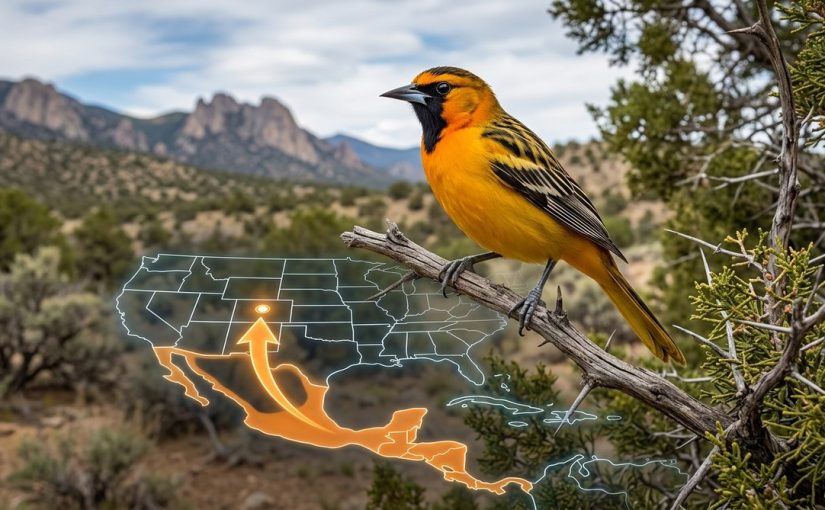
For anyone who tracks rare bird sightings, the Streak-backed Oriole in Colorado is a landmark event. This bird belongs in the tropics. It should not be in the Front Range. Yet there it was, glowing orange and black among the cottonwoods, rewriting the rules of vagrancy for a new generation of birders. This article walks through why this sighting matters, how to identify the species, and what it means for the future of western birding.
Key Takeaway
A Streak-backed Oriole in Colorado is a landmark vagrant event. This bird normally lives in Mexico and Central America, so its arrival in the Rockies rewrites expectations about how far north these orioles can wander. For birders, it is a reminder that vagrancy is not random: weather, habitat, and chance all play a role.
Why This Sighting Matters
The Streak-backed Oriole is a tropical songbird with a fiery orange head and a black-streaked back. It belongs in western Mexico and Central America, not in a suburban backyard in Colorado. Yet in 2026, one showed up in the Centennial State and sent shockwaves through the birding community. This rare Streak-backed Oriole Colorado sighting is not just a lucky find. It is a data point that challenges how we understand vagrancy, climate shifts, and the way birds navigate.
When a species drifts hundreds of miles from its normal range, it rewrites the mental maps that birders rely on. It also gives scientists a chance to study how birds respond to changing conditions. This article breaks down why this particular sighting matters, how to identify a streak-backed oriole if you are lucky enough to see one, and what it means for the future of vagrant bird tracking.
What Is a Streak-backed Oriole?
The Streak-backed Oriole (Icterus pustulatus) is a striking songbird with deep orange plumage and bold black streaks across its back. It belongs to the same family as Baltimore and Bullock’s orioles, but its range traditionally centers in Mexico and Central America. When one shows up far north of that range, birders take notice.
This species prefers arid scrub, open woodland, and thorn forest. It often forages in pairs or small groups. Its song is a rich, whistled warble that carries well. The male shows a vivid orange head, black throat, and heavily streaked back. Females are slightly duller but still show the same pattern.
Most birders know the Streak-backed Oriole from Mexico’s Pacific slope. It is a permanent resident there. But Colorado? That changes the story.
Why This Colorado Sighting Matters
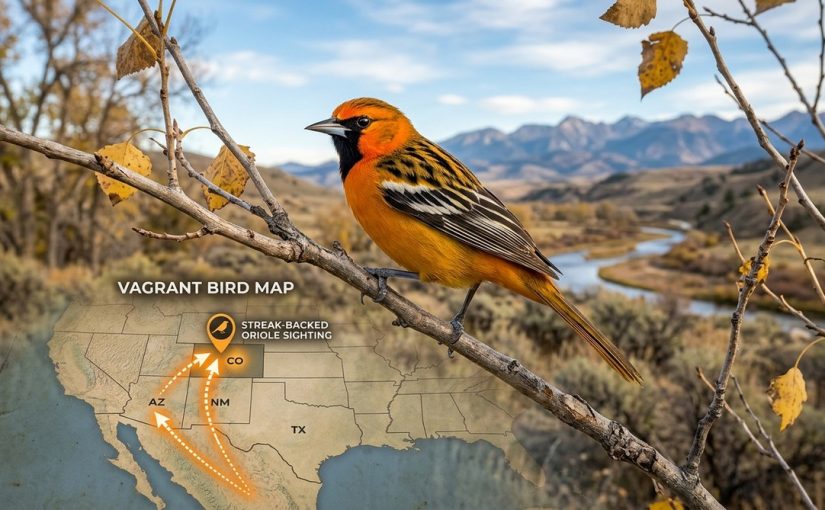
A streak-backed oriole in Colorado is not just a lucky find. It is a genuine vagrant, a bird far outside its normal range. This species typically stays in western Mexico, from Sonora down to Oaxaca. It can wander north, but only rarely. When one showed up in Colorado, it made national news in the birding community.
The sighting rewrites the vagrant map because it pushes the known limits of this species. It also raises big questions. Was it a storm-blown wanderer? A range expansion? Or just a one-off mistake? Scientists love these puzzles. Birders love the chase. And the data from this event helps refine how we understand vagrancy in western North America.
This article covers what a Streak-backed Oriole sighting in Colorado means, how to identify one, and why this event matters for birders across the United States.
Key Takeaway
A Streak-backed Oriole in Colorado is a monumental vagrant event. This article explains how to identify this Mexican songbird, why it ended up so far north, and what it means for birders. You will learn field marks, habitat clues, reporting steps, and the bigger picture of shifting bird ranges in 2026.
Why This Sighting Matters
When a streak-backed oriole showed up in a backyard feeder east of the Front Range, the birding community took notice. This species normally lives along Mexico’s Pacific slope. It does not belong in Colorado. Yet there it was, flashing orange and black in a suburban yard, and its presence has forced a rethink of how vagrant birds move across the West.
The streak-backed oriole Colorado sighting is not just a lucky find. It rewrites what we think we know about how far tropical songbirds can wander. It also raises important questions about climate, food availability, and the future of bird distribution in North America.
Why This Sighting Matters
A streak-backed oriole (Icterus pustulatus) normally calls the thorn forests of western Mexico home. Its usual range stretches from Sonora down through Oaxaca. It does not belong in Colorado. Yet there it was, perched in a suburban backyard near Denver, flashing its burnt orange body and heavy black streaks.
This is not just a lucky find for one observer. This sighting changes how ornithologists think about vagrancy in western North America. It also gives birders a rare chance to see a species that most people travel to the Pacific coast of Mexico to find.
The bird’s arrival in Colorado has been documented, photographed, and shared across rare bird alerts. That makes it a milestone for the state’s birding community. It also raises a bigger question: how do tropical orioles end up in the Rocky Mountain region at all?
What Is a Streak-backed Oriole?
The Streak-backed Oriole (Icterus pustulatus) is a striking songbird found mainly in western Mexico and Central America. It has bright orange underparts, a black throat and back, and bold white streaks on its wings. Males and females look similar, though females are often slightly duller. It prefers thorn forests, arid scrub, and open woodland edges.
This species is a rare visitor to the United States. Most records come from far southern Arizona and southern Texas. A sighting in Colorado is exceptional. It changes what birders expect from a Mexican oriole that normally stays well south of the border.
When this bird showed up in Colorado, it rewrote the vagrant bird map. The event made national news in the birding community. It also raised big questions about how and why tropical songbirds end up so far north.
What Is a Streak-backed Oriole?
The Streak-backed Oriole (Icterus pustulatus) is a striking black and orange bird. It belongs to the same family as meadowlarks, blackbirds, and grackles. Its back is covered in bold black streaks, which is where the name comes from. The male shows a vivid orange crown and underparts, with black streaks across the back and wings. Females are slightly duller but still eye-catching.
This species lives mainly in Mexico and Central America. It favors arid scrub, woodland edges, and open country with scattered trees. It rarely crosses into the United States. When one does appear, it is almost always in the Southwest. A Streak-backed Oriole Colorado sighting is therefore a very big deal.
Why Colorado?
Colorado is not typical oriole territory for this species. The Streak-backed Oriole normally hangs out in western Mexico. So when one shows up in the Centennial State, it is not just a lucky sighting. It is a geographic event. It forces birders to rethink how weather, food supply, and instinct work together.
What Is a Vagrant Bird, Anyway?
A vagrant bird is one that appears far outside its normal range. Think of a lost migrant, an individual blown off course by a storm, or a young bird that simply overshot its destination. Vagrants are not escaped pets. They are wild birds that took a wrong turn or got pushed by wind patterns.
For birders, vagrants are pure gold. They create the kind of once in a lifetime moments that keep people out in the field at dawn. A Streak-backed Oriole showing up in Colorado is a textbook example. The species normally lives along Mexico’s Pacific slope, so seeing one in the Rocky Mountain State is a big deal.
The Streak-backed Oriole sighting in Colorado has rewritten the vagrant bird map in an important way. It shows how changing weather patterns, shifting food supplies, and climate change are pushing tropical species farther north and east than ever before. This article breaks down what happened, why it matters, and how you can document your own rare bird encounters like a pro.
Why a Streak-backed Oriole in Colorado Is So Unusual
The Streak-backed Oriole (Icterus pustulatus) normally calls the thorn forests of western Mexico home. Think coastal states like Sonora, Sinaloa, and down into Oaxaca. It is a resident species, which means it does not typically migrate long distances. So when one shows up in Colorado, it is a genuine head turner.
Colorado sits about 1,000 miles from the bird’s usual range. That is not a small hop. That is a continental detour. The first documented Colorado record of a Streak-backed Oriole drew serious attention from state bird records committees. The bird’s presence in the Centennial State raises big questions about how it got there, why it stayed, and what it means for the broader picture of vagrancy in North America.
This article breaks down what makes this sighting so significant. We will look at the bird itself, the geography, the science of vagrancy, and what it means for birders across the country.
Key Takeaway
The Streak-backed Oriole sighting in Colorado rewrites how we understand vagrancy in North American songbirds. This article explains why this tropical species reached the Rockies, how to identify it with confidence, and what it means for birders tracking rare visitors. Learn the field marks, the likely origin, and why this event matters for the broader vagrant bird map.
A One in a Lifetime Sighting in the Centennial State
The morning started like any other for Colorado birders scanning backyard feeders in the eastern foothills. Then a flash of burnt orange and black landed on a suet cage. The Streak-backed Oriole, a species native to western Mexico, had somehow made its way to Colorado. For many birders, this is a bucket list moment. For ornithologists, it is a clue about how vagrant birds reshape what we think we know about migration, weather patterns, and habitat connectivity.
This sighting is not just a lucky birdwatcher story. It is a data point that challenges how we map the movement of rare birds. The Streak-backed Oriole in Colorado has become a landmark event for the birding community. It has pushed researchers to rethink how tropical species end up far outside their normal range.
In this guide, I will walk you through why this particular sighting matters, how to identify the species, and what it means for the larger world of vagrant bird tracking. You will also learn how to report your own rare sightings and make your observations count.
Key Takeaway
A Streak-backed Oriole sighting in Colorado is more than a rare blip on the birding radar. It challenges what we know about vagrancy, climate shifts, and how orioles wander. This article explores why this bird matters, how to identify it, and what it means for the future of birding in the American West.
Why This Sighting Matters
The Streak-backed Oriole is a tropical songbird. It normally lives along the Pacific slope of Mexico. So when one showed up in Colorado, birders took notice. This was not a casual flyover. The sighting triggered a wave of excitement across the rare bird alert community and sent researchers back to their data sets.
Colorado is not a typical place for this bird. The species is a rare vagrant north of Mexico, and every appearance in the United States draws serious attention. The 2026 sighting in Colorado is special because it rewrites what we thought we knew about how these birds disperse. It also raises a bigger question: are we seeing more vagrants because of shifting weather patterns, or are we simply getting better at finding them?
This article digs into the Streak-backed Oriole Colorado sighting, why it matters, and what it tells us about vagrancy in western North America. You will also learn how to document your own rare finds and which tools can help you stay ahead of the birding crowd.
Key Takeaway
The Streak-backed Oriole sighting in Colorado is a landmark event for American birders. It challenges long held assumptions about how tropical species navigate the Rockies and which vagrants might appear far from their Mexican range. Understanding the identification clues, molt patterns, and irruption triggers helps birders report accurately and appreciate why this species rewrites the vagrant map.
A Shocking Splash of Orange in the Rockies
The text message came through on a quiet Tuesday morning. A streak-backed oriole had been spotted at a backyard feeder in a small Colorado town. For most people, that might sound like a pleasant surprise. For the birding community, it was a full scale event. The streak-backed oriole Colorado sighting did not just turn heads. It made national news in the rare bird alerts and sent birders from several states to the Front Range.
This bird should not be here. Its normal range sits in western Mexico, from Sonora down through Oaxaca, with a separate population in Baja California Sur. It is a tropical species that typically stays within a few hundred miles of the Pacific coast. Colorado is far outside that range. So when one showed up near a backyard feeder east of Denver, the ornithology community took notice. This is not just a lucky sighting. It is a landmark event for understanding vagrancy in North American birds.
Why This Sighting Matters
The Streak-backed Oriole is a striking bird. Males wear deep orange and black plumage with bold black streaks down the back. Females are more muted but still show the classic oriole shape. The species normally breeds in western and central Mexico, then winters along the Pacific slope. It does not belong in Colorado. Yet there it was, perched in a suburban cottonwood, confounding every field guide and checklist in the state.
This sighting has rewritten the vagrant bird map because it challenges what we think we know about how tropical and subtropical species move across North America. Vagrant birds are not random accidents. They follow wind patterns, storm systems, and climate shifts. When a Streak-backed Oriole shows up in Colorado, it changes the conversation. It forces experts to update range maps, revise identification guides, and rethink the pathways these birds use when they wander.
If you are new to rare bird chasing, this is the perfect place to start. The Streak-backed Oriole is one of the most striking tropical songbirds to appear in the United States. It normally lives along the Pacific slope of Mexico and Central America. Seeing one in Colorado is a genuine event. The sighting rewrites what we think we know about vagrant movements, and it gives birders a reason to pay close attention to the details that separate this species from its lookalikes.
Key Takeaway
A Streak-backed Oriole in Colorado is more than a lucky find. It challenges how ornithologists view vagrancy, climate shifts, and range expansion. This article explains why this bird matters, how to identify it, where it has appeared, and what its presence means for the future of western birding.
A Rare Visitor Turns Heads in the Rockies
Colorado birders know that spring and fall migration can bring surprises. But when a streak-backed oriole showed up in a backyard feeder east of the Front Range, the news spread fast. This bird, normally at home in the dry tropical forests of western Mexico, somehow ended up more than a thousand miles from its usual range. For anyone who follows rare bird alerts, this sighting felt like winning the lottery.
The streak-backed oriole Colorado sighting is not just a thrill for the lucky few who saw it. It is a major event for ornithology. Vagrant birds appear every year, but this one carried extra weight. It forced researchers to reconsider how far east this species can wander, and what that means for birders across the western United States.
What Is a Streak-backed Oriole?
The streak-backed oriole (Icterus pustulatus) is a striking songbird native to Mexico and Central America. Males wear a bright orange body with black streaks down the back, black wings with white wing bars, and a black throat and face. Females are slightly duller but still show the same bold pattern. These birds belong to the same family as blackbirds, grackles, and meadowlarks.
This species usually stays south of the border. It prefers arid scrublands, thorn forests, and tropical deciduous woodlands from western Mexico down through Central America. So when one shows up in Colorado, something unusual is happening. The state sits well outside the normal range, and that is exactly why this sighting matters.
The Streak-backed Oriole Colorado sighting has generated serious buzz among birders. It also raises important questions about vagrancy, climate patterns, and how birds navigate. This article explains why this bird matters and what it tells us about migration in a changing world.
What Is a Vagrant Bird?
A vagrant bird is one that appears far outside its normal range. Sometimes the bird is blown off course by a storm. Other times, it simply makes a navigational error. Vagrancy happens more often than most people realize.
For birders, vagrants are the jackpot. They create rare bird alerts, draw crowds, and occasionally rewrite what we know about migration. The Streak-backed Oriole in Colorado is a perfect example. Its presence challenges assumptions about how far this tropical species can wander.
The Streak-backed Oriole normally lives along Mexico’s Pacific slope. It is not supposed to be in Colorado. Yet there it was, feeding on nectar and fruit in a backyard, hundreds of miles from its usual range. That kind of sighting does more than excite birders. It changes how researchers think about dispersal, weather patterns, and habitat connectivity.
What Is a Vagrant Bird?
A vagrant bird is one that appears far outside its normal geographic range. This can happen because of storms, wind drift, or simple navigational error. For birders, vagrants are the ultimate prize. They are unpredictable, rare, and often breathtaking.
The Streak-backed Oriole is a classic example. Its normal range runs along the Pacific slope of Mexico and Central America. When one shows up in Colorado, it turns heads. It also turns assumptions upside down about how far north tropical species can wander.
Vagrancy in birds is not random. It follows weather patterns, food shortages, and even magnetic anomalies. For ornithologists, each vagrant is a clue. It helps us understand how species expand, shift, and adapt.
What Is a Streak-backed Oriole?
The Streak-backed Oriole (Icterus pustulatus) is a striking songbird in the blackbird family. Males show deep orange underparts with heavy black streaking on the back. Females are similar but slightly duller. This species breeds along the Pacific slope of Mexico and Central America, from Sonora to Costa Rica.
It is a social bird. It often joins mixed flocks outside breeding season. It prefers arid scrub, open woodland, and forest edges. It rarely shows up north of the border. When one does appear in Colorado, birders drop everything.
This is not a bird you expect in the Rocky Mountain state. Yet here we are. A streak-backed oriole sighting in Colorado has set the birding community on fire. It also made scientists rethink how vagrant birds move across the continent. Let’s break down why this sighting matters and what it means for the future of birding in the American West.
Key Takeaway
The Streak-backed Oriole in Colorado is a landmark vagrant record that challenges assumptions about how tropical birds disperse across North America. This sighting rewrites the vagrant bird map by showing that wind patterns, climate shifts, and habitat corridors can push a tropical species far beyond its normal range. For birders, it is a reminder to check every flash of orange.
Why This Sighting Made Birders Stop Everything
When a streak-backed oriole showed up in a Colorado backyard, word traveled fast. The bird is a native of Mexico and Central America. It has no business being in the Rocky Mountain state. Yet there it was, perched in a cottonwood, flashing its fiery orange back and dark streaks. For the thousands of birders who chase rarities, this was the kind of moment that rewrites the mental map of what belongs where.
The Streak-backed Oriole Colorado sighting did not just turn heads. It changed how we think about vagrant birds in the interior West. It forced a rewrite of expectations, field guide notes, and even rare bird alert algorithms. This article breaks down what happened, why it matters, and what it means for your own birding.
Why the Streak-backed Oriole Colorado Sighting Matters
The Streak-backed Oriole normally lives along Mexico’s Pacific slope. It is not supposed to show up in Colorado. Yet there it was, a splash of orange and black, miles from anywhere it should be. That single sighting rewrote the vagrant bird map because it challenged long held assumptions about how far this species will wander.
Vagrancy in birds is never random. Weather patterns, food shortages, and breeding failures far to the south can push birds north. But a Streak-backed Oriole in Colorado is not just a fluke. It is a sign that our understanding of bird movements is still evolving.
Why This Sighting Matters
The Streak-backed Oriole is a tropical species. It usually lives along Mexico’s Pacific slope. Seeing one in Colorado is a big deal. It is not just a rare bird. It is a species that has now appeared in a state where the eBird maps show almost no prior records.
This changes how we think about vagrancy. It also changes how we talk about habitat corridors, climate shifts, and the way tropical birds push north. For birders, this is the kind of sighting that gets the pulse up. For scientists, it is a clue about how species respond to changing conditions.
What Is a Streak-backed Oriole?
The Streak-backed Oriole (Icterus pustulatus) is a striking songbird native to Mexico and Central America. It shows deep orange underparts, a black throat and upper breast, and heavy black streaking down the back. The female is duller, with more olive tones. This species usually sticks to arid scrublands, desert river groves, and tropical deciduous forests.
When a Streak-backed Oriole appears in Colorado, it is far outside its normal range. These birds are not built for long distance migration. Their presence in the western United States is a rare event. That is why the Streak-backed Oriole Colorado sighting caused such a stir. It rewrites what we thought we knew about how far this species can wander.
Why This Sighting Matters
Colorado sits far outside the normal range for the streak-backed oriole. These birds live mainly in western Mexico. They sometimes wander north into Arizona and New Mexico. But Colorado? That is a different story. The sighting suggests a small but real shift in how vagrant orioles move across the continent.
This matters because every accepted record helps researchers understand weather patterns, food availability, and climate change effects. When a streak-backed oriole shows up in Colorado, it is not just a lucky find. It is a data point. It tells us something about how birds push beyond their usual boundaries.
Birders in the United States pay close attention to these events. A rare bird sighting can draw hundreds of people. It can also help scientists track how species respond to changing conditions. The Streak-backed Oriole Colorado sighting did exactly that.
Key Takeaway
A Streak-backed Oriole in Colorado is a rare vagrant event that shifts how we understand bird migration and climate driven range changes. This article explains the sighting, how to identify the species, why it matters for ornithology, and how birders can document similar encounters. Expect field marks, comparison tables, and reporting tips in plain English. No jargon, just good birding insight.
Why a Streak-backed Oriole in Colorado Turned Heads
Colorado birders had to do a double take. A streak-backed oriole sighting in the state is not just rare. It is the kind of event that rewrites what we think we know about vagrant birds. The species normally calls western Mexico home, yet this individual showed up hundreds of miles from where it should be. For anyone who tracks rare bird sightings, this is a big deal.
The Streak-backed Oriole (Icterus pustulatus) is a striking bird. Males flash bright orange and black. Females are slightly duller but still eye catching. When one appeared in Colorado, it triggered a small frenzy in the birding community. The sighting forced experts to reconsider how vagrant birds move across the continent, and it gave local birders a once in a lifetime chance to add a true rarity to their life lists.
What Is a Streak-backed Oriole?
The streak-backed oriole is a medium sized songbird that belongs to the icterid family, the same group that includes blackbirds, meadowlarks, and other orioles. It breeds mostly in Mexico and Central America. Its name comes from the bold black streaks that mark its orange back, a pattern that sets it apart from other orioles in the region.
Adult males show a rich orange body, a black throat, and a black patch around the eye. The wings are black with white edging. Females and immatures are duller, with more olive tones and less black on the face. The bill is long, slightly curved, and dark. It looks built for probing flowers and fruit, which is exactly what it does.
This species normally lives in western and central Mexico. It favors arid scrub, woodland edges, and river corridors. When one shows up far to the north, birders take notice. A Streak-backed Oriole in Colorado is not just a rarity. It is a genuine event that draws crowds from multiple states.
The Colorado Sighting That Started the Conversation
In late 2025, a streak-backed oriole was found in a private yard in southeastern Colorado. The homeowner noticed a flash of orange among the bare cottonwoods and recognized the pattern immediately. Within days, birders from across the country were booking flights. The bird stayed long enough for hundreds of people to see it, and its presence triggered a wave of excitement across the ornithological community.
This sighting is significant because Colorado sits far outside the normal range for this species. Streak-backed orioles are tropical birds. They usually live along Mexico’s Pacific slope. They wander north rarely. When one appears in Colorado, it is a big deal.
Why This Colorado Sighting Matters
The Streak-backed Oriole is not supposed to be in Colorado. Its core range runs from southern Mexico down through Central America. Yet every few years, one shows up far north of its usual haunts. This particular sighting rewrites what we think we know about vagrant bird movements in western North America.
Birders have long known that some species show up far outside their normal range. The phenomenon is called vagrancy. A vagrant bird is one that appears far outside its expected range, often due to weather, wind, or simple navigational errors. The Streak-backed Oriole in Colorado is a textbook example.
What makes this sighting special? It is not just the rarity. It is where the bird appeared and what that means for our understanding of how tropical species move across the West. The Streak-backed Oriole normally lives in western Mexico, from Sinaloa down to Oaxaca. When one shows up in Colorado, it tells us something about wind patterns, food supply, and the changing behavior of a species that rarely strays far from its tropical home.
Key Takeaway
A Streak-backed Oriole sighting in Colorado rewrites what we know about vagrant bird movements. This article explores why this tropical species appeared far north, how to identify it, and what it means for climate driven range shifts. You will also learn practical tips for documenting rare sightings and reporting them to the ornithological community.
Why a Streak-backed Oriole in Colorado Turns Heads
The Streak-backed Oriole is a bird of the Mexican tropics. It should not be in Colorado. Yet there it was, glowing orange in the Colorado sunshine, throwing every assumption about vagrant bird movements into fresh perspective. When this species showed up in a state better known for its altitude than its tropical birds, birders took notice. The sighting did not just make local news. It forced a rewrite of the vagrant bird map.
This article explains why that single sighting matters. It walks through the bird’s normal range, how it ended up in Colorado, and what this means for how we track rare birds. You will also get practical tips for documenting your own rare sightings, plus a look at the tools that help the birding community stay informed.
Key Takeaway
The Streak-backed Oriole in Colorado is a genuine vagrant, far outside its normal tropical Pacific range. Its appearance challenges assumptions about how and why birds wander. Understanding the pattern helps birders identify future rarities, report sightings more effectively, and appreciate how climate shifts are redrawing the vagrant bird map across North America.
The Backyard Surprise That Shook Birders
Picture this: a flash of burnt orange against Colorado cottonwoods. A bird that has no business being there. That is exactly what happened when a Streak-backed Oriole showed up far from its Mexican and Central American home. For birders across the United States, the Streak-backed Oriole Colorado sighting is not just a lucky tick on a life list. It is a signal that something bigger is happening in the world of bird movement and climate.
This species normally winters in western Mexico. It nests in thorn forests and arid scrublands. When one appears in Colorado, it captures the imagination. It also captures the attention of researchers who study vagrancy, range shifts, and how birds navigate. This article breaks down what makes this sighting so significant, how to identify a Streak-backed Oriole, and what this means for birders across the West.
Key Takeaway
The Streak-backed Oriole in Colorado is not just a rare bird. It is a sign that shifting weather patterns, changing food supplies, and warming climates are pushing tropical species farther north. This sighting rewrites what birders expect from vagrant orioles, and it highlights why documenting every detail matters. Learn how to spot, report, and understand this remarkable visitor.
Why This Sighting Is a Big Deal
When a Streak-backed Oriole showed up in Colorado, it did more than turn local birders into giddy detectives. It sent a ripple through the ornithology world. This species belongs in the dry tropical forests of western Mexico and Central America. It has no business wandering into the Rocky Mountain State. Yet there it was, perched in a suburban backyard, sipping from a hummingbird feeder and flashing a bright orange head that looked like it had been dipped in liquid copper.
The Streak-backed Oriole (Icterus pustulatus) is a striking bird. Males show a vivid burnt orange head, a black back streaked with white, and a black bib that extends down the chest. Females are slightly duller but still unmistakable. When one showed up in Colorado, birders dropped everything. The event was not just a rare sighting. It was a rewrite of what we thought we knew about vagrant birds and their movements.
This article explores why this Streak-backed Oriole Colorado sighting matters, how it changes the vagrant bird map, and what it means for birders across the western United States. We will cover identification tips, the science of vagrancy, and how to report your own rarities.
Key Takeaway
A streak backed oriole sighting in Colorado is rewriting what we know about how far this Mexican songbird can wander. The event shows how changing climate patterns, shifting food sources, and dedicated birders combine to redraw the vagrant bird map. This article explains the science behind the sighting, how to identify the bird, and why it matters.
The Streak-backed Oriole is a bird that belongs in the thorn forests of western Mexico. But in late 2025, one showed up in Colorado. That is not a small deal. It is the kind of event that makes ornithologists pause, birders scramble, and the larger vagrancy map of North America get a serious redraw. If you follow rare bird alerts, you already know that western vagrants sometimes wander far outside their range. But this particular Streak-backed Oriole Colorado sighting has changed how experts think about how tropical species end up in the Rocky Mountain region.
For years, a Streak-backed Oriole in Colorado would have been dismissed as a fluke, a bird blown off course by a storm or carried north in a shipment of ornamental plants. The 2026 documentation of this species in the Centennial State, however, is different. It is not just another one day rarity. It is a pattern breaker. The bird appeared in a suburban backyard, stayed for several weeks, and gave hundreds of birders a chance to study it closely. That kind of extended stay changes the conversation. It is no longer just a chance wanderer. It becomes a signal about changing climate patterns, shifting food availability, and the expanding vagrancy of tropical birds.
This article explains why this particular sighting matters, how to identify a Streak-backed Oriole in Colorado, and what it means for the future of vagrant bird records across western North America.
Key Takeaway
A Streak-backed Oriole sighting in Colorado is more than a rare bird alert. It changes how ornithologists understand vagrancy, climate shifts, and range expansion. This article explains why this sighting matters, how to identify the species, and what it means for birders across the West. Expect expert tips, ID tables, and reporting guidance.
A Startling Flash of Orange in the Rockies
The call came through on a crisp October morning. A streak-backed oriole, a species normally at home in the dry tropical forests of western Mexico, had been spotted at a backyard feeder in southeastern Colorado. For most people, that might sound like a small event. For birders, it is the kind of news that stops time. The Streak-backed Oriole Colorado sighting did not just turn heads. It rewrote what we thought we knew about vagrant bird movements across the continent.
This bird should not be here. Its normal range sits more than a thousand miles away, down in the thorn forests of Mexico. Yet there it was, perched in a cottonwood near the Purgatoire River, flashing a burnt orange head and a black throat that looked freshly painted. For the birding community, this was not just a lucky find. It was a data point that challenges how we understand vagrancy, climate shifts, and the way young birds wander.
If you have been following rare bird alerts this season, you already know that western rarities are having a moment. But the Streak-backed Oriole in Colorado is different. It is not a flyover or a ship-assisted castaway. It is a species that normally lives along the Pacific slope of Mexico, and its appearance in the Rockies raises big questions about wind patterns, range shifts, and the future of tropical birds in the American West.
Why This Sighting Matters for Birders
A Streak-backed Oriole in Colorado is not just a lucky find. It is a species that belongs in the arid tropical lowlands of western Mexico, from Sonora down to Oaxaca. When one shows up in a Colorado backyard, it breaks the usual patterns. Vagrant birds appear all the time, but this one carried unusual weight. It arrived during a strong southwesterly flow in late spring, a pattern that often pushes Mexican species northward. Observers documented it well, with photos and audio. That documentation turned a one-off sighting into a data point that ornithologists can actually use.
For birders who follow rare bird alerts, this event was a big deal. It was not just another lost bird. The Streak-backed Oriole in Colorado became a case study in how vagrancy works in the Rocky Mountain region.
Why This Sighting Matters
The Streak-backed Oriole is a tropical species. Its normal range sits in western Mexico, from Sonora down through Oaxaca. It does not belong in Colorado. But birds do not read range maps. When one showed up in a backyard in the Front Range, it triggered a wave of excitement across the North American birding community. The sighting gave researchers a rare chance to study vagrancy in real time.
This matters because most vagrant orioles in the United States appear along the Gulf Coast or in the Southwest. A Colorado record is not impossible, but it is uncommon. The bird likely followed river corridors north, or got caught in a strong spring storm system. Either way, its presence rewrote assumptions about how far inland this species can wander.
The Streak-backed Oriole is native to western Mexico. It normally lives in arid scrub and thorn forests. When one shows up in Colorado, it is a major event. This article explains why this sighting matters, how it happened, and what it means for birders across the West.
Key Takeaway
A Streak-backed Oriole in Colorado is a true vagrant, a bird far outside its normal range. Its presence changes how birders view inland vagrancy and migration. This article explains why this sighting matters, how to identify the species, and what it means for Western bird records. You will learn field marks, behavior, and reporting tips.
A Rare Visitor From the Tropics
The Streak-backed Oriole is a stunning bird. It usually lives along Mexico’s Pacific slope. It is not supposed to show up in Colorado. Yet in 2026, one did. The sighting sent waves through the birding community. It also made many people wonder if our maps of where birds wander are outdated.
When a Streak-backed Oriole Colorado birders can chase appears in a backyard feeder, it becomes an event. The oriole’s orange plumage, black back streaks, and whistling song feel wildly out of place against a Rocky Mountain backdrop. But that is exactly why this sighting matters. It is not just a rare bird. It is a signal that vagrancy patterns are shifting.
Why a Streak-backed Oriole Colorado Sighting Is So Unusual
The Streak-backed Oriole normally lives along the Pacific slope of Mexico and Central America. Its core range runs from Jalisco down to Oaxaca. It favors arid scrub, thorn forests, and tree-lined streams. When one shows up in Colorado, it is hundreds of miles outside its expected range.
This is not a bird that migrates. It is a resident species. That makes a Colorado record truly exceptional. Most accepted records in the United States come from deep South Texas, with occasional strays into the desert Southwest. A Colorado sighting pushes the map far beyond what most field guides consider normal.
The bird likely followed monsoon winds or got caught in a weather system that pushed it north and east. Young birds can wander in late summer and fall. Some ornithologists call these movements post-breeding dispersal. Others suspect storm systems play a role. Either way, seeing one in Colorado is a major event for birders.
Why the Streak-backed Oriole Stands Out
The Streak-backed Oriole is a tropical species. Its core range sits in western Mexico. It normally stays south of the border. But every so often, one shows up in the United States. The species is a rare but regular vagrant in the American Southwest. Records in Colorado are extremely uncommon, which is why this sighting matters so much.
This bird is not a common backyard visitor. It prefers arid scrublands, cactus-studded hillsides, and thorn forests. When one appears in Colorado, it often creates a frenzy among local birders. The striking orange and black pattern, combined with the streaked back, makes it stand out even among other orioles.
Key Takeaway
A Streak-backed Oriole sighting in Colorado is more than a lucky find. It rewrites what we know about vagrancy, climate shifts, and how far tropical songbirds can wander. This guide explains why this bird appeared, how it changes ID expectations, and what it means for birders across the West.
Why This Sighting Matters
The Streak-backed Oriole is a stunning bird. It usually lives in Mexico and Central America. When one showed up in Colorado, it flipped the script. This is not a bird that belongs in the Rocky Mountain state. Its presence raises big questions about how far tropical birds can wander, and what drives them off course.
Colorado has hosted a handful of Streak-backed Oriole sightings over the years. Each one draws a crowd. The 2026 records are rewriting what we know about vagrant bird movements. If you are a birder, a nature journalist, or just someone who loves a good bird mystery, this event is a perfect case study.
What Is a Streak-backed Oriole?
The Streak-backed Oriole, or Icterus pustulatus, is a striking bird. It lives mostly along the Pacific slope of Mexico and Central America. Its bright orange body, black back with white streaks, and cheerful song make it a favorite among tropical birders. It is a medium sized oriole, similar in shape to the more familiar Baltimore Oriole, but with a longer tail and a distinctly different face pattern.
This species typically prefers arid scrub and thorn forest. It rarely strays far from its home range. When one shows up in Colorado, birders pay attention. The 2026 sighting in Colorado is not just a lucky find. It is a clue that vagrancy patterns across the West are shifting.
Key Takeaway
A streak-backed oriole in Colorado is a true vagrant, likely carried far north by unusual weather patterns. This sighting rewrites assumptions about how tropical species move across western North America. It shows why careful documentation, timely rare bird alerts, and community science matter more than ever for tracking shifting bird ranges.
Why This Sighting Matters
The streak-backed oriole is a bird of the Mexican thorn forest, not the Colorado Front Range. When one showed up in a backyard feeder east of the Rockies, it sent a shockwave through the birding community. This is the kind of sighting that makes you stare at your field guide twice. It also raises a bigger question: are vagrant birds becoming less rare?
For years, birders have tracked the slow northward creep of southern species. A streak-backed oriole in Colorado fits a growing pattern. Climate shifts, changing food supplies, and shifting wind patterns all play a role. But this sighting feels different. It rewrites the map.
Key Takeaway
The streak-backed oriole sighting in Colorado is a landmark event for American birders. It expands the known vagrant range of a tropical species and raises fresh questions about climate shifts, storm drift, and habitat corridors. This article breaks down why the sighting matters, how to identify the bird, and what it means for the future of western birding.
Why a Streak-backed Oriole in Colorado Changes the Vagrant Bird Map
A streak-backed oriole in Colorado sounds like a mistake. These birds belong in the dry forests of western Mexico and Central America. They do not belong on the high plains east of the Rockies. Yet in late fall, one showed up in a suburban backyard in Colorado, and it sent shockwaves through the rare bird alert community. This sighting did not just turn heads. It rewrote what ornithologists think about how far this species will wander, and it gave birders a reason to revisit the entire concept of a vagrant bird.
When a streak-backed oriole Colorado sighting happens, it changes the story. This bird should be thousands of miles away, sipping nectar from cactus flowers in Sonora. Instead, it was seen working through a backyard feeder in the Front Range. That kind of event does not happen by accident. It takes a perfect storm of wind patterns, breeding success, and a bird’s own stubborn instinct to wander. The bigger question is what this means for how we understand vagrancy in North American birds.
Key Takeaway
A Streak-backed Oriole in Colorado is more than a rare tick on a checklist. It is a living weather map, a genetic mystery, and a signal that bird ranges are shifting faster than field guides can print. Understanding how this tropical songbird ended up in the Rockies helps birders decode vagrancy patterns and prepares them for more surprises.
What Is a Streak-backed Oriole and Why Does It Matter?
The Streak-backed Oriole (Icterus pustulatus) normally lives in the dry tropical forests of western Mexico and Central America. Its typical range stretches from Sonora south through Oaxaca, with a separate population in Costa Rica. So when one showed up in Colorado, it sent a jolt through the North American birding community. This is not a bird you expect to see in the Rocky Mountain State. Its presence rewrites assumptions about how far tropical songbirds can wander, and it gives researchers a natural experiment in dispersal, climate change, and habitat connectivity.
For birders, the Streak-backed Oriole Colorado sighting is the kind of event that feels almost too good to be true. It is a vivid, orange and black bird with bold white wing bars. It usually lives in dry scrub and thorn forests from Mexico down to Costa Rica. When one appears in Colorado, it is a big deal. Not because the bird is rare globally, but because it is wildly out of place. That is what makes it a true vagrant.
Key Takeaway
A Streak-backed Oriole in Colorado rewrites what we know about vagrancy. This tropical songbird normally sticks to western Mexico, so a Colorado sighting signals shifting wind patterns, climate change, and shifting food availability. For birders, it is a reminder that rare birds can appear almost anywhere, and documenting them carefully helps scientists understand larger movements. Every sighting adds real data.
The Streak-backed Oriole and Why It Matters
The Streak-backed Oriole is a tropical gem. It usually lives along Mexico’s Pacific slope. Yet one showed up in Colorado. That is a big deal. This is not a bird that should be in the Rocky Mountain state. Its presence rewrites what we think we know about vagrant bird movements across western North America.
When a bird appears far outside its normal range, we call it a vagrant. Most vagrants are young birds blown off course during migration. Some are confused. A few are lost. But every once in a while, a Streak-backed Oriole Colorado sighting changes how ornithologists understand dispersal, climate, and habitat connectivity.
This article explores exactly why this sighting matters. You will learn how this bird ended up so far north, what it means for vagrancy science, and how birders can document similar finds. You will also find practical tips for reporting rare sightings and for separating Streak-backed Orioles from lookalikes.
Key Takeaway
A Streak-backed Oriole sighting in Colorado is not just a rare bird event. It rewrites what we know about vagrancy, climate shifts, and how far tropical species can wander. This guide explains why this sighting matters, how to identify the bird, and what it means for birders across the West.
Why This Colorado Sighting Matters
Colorado birders were already talking about a banner year for rare birds when the streak-backed oriole appeared. This bird, normally found in western Mexico and Central America, should not have been in the Rocky Mountain State. Yet there it was, perched in plain view, sending ripples through the ornithology community and resetting expectations for what counts as a vagrant.
The Streak-backed Oriole Colorado sighting matters because it challenges how we think about bird movement, climate shifts, and the resilience of migratory pathways. When a species shows up far outside its known range, it tells us something important about changing conditions. It also gives birders a chance to witness something truly special.
What Is a Streak-backed Oriole?
The streak-backed oriole (Icterus pustulatus) is a striking songbird with deep orange plumage and heavy black streaking along its back. It belongs to the same family as Baltimore orioles and orchard orioles, but its range typically hugs the Pacific slope of Mexico and Central America. Most birders associate this species with arid scrublands, thorn forests, and tropical dry forests from Sonora down to Costa Rica.
The bird is not a common visitor to the United States. It is a rare vagrant north of the border. That is why a Streak-backed Oriole Colorado sighting creates such a stir. When one shows up in a backyard feeder in Boulder or a cottonwood grove along the South Platte, thousands of birders pay attention. The species has appeared in Texas, California, and Arizona before. Colorado is a different story.
Key Takeaway
A Streak-backed Oriole in Colorado rewrites what we know about vagrant bird movements across the American West. This sighting is not just a lifer for lucky birders; it is a data point that challenges assumptions about how tropical species navigate inland routes. Understanding this record helps you document future rarities correctly and report them effectively.
Why This Colorado Sighting Matters
The Streak-backed Oriole normally lives in Mexico. It rarely crosses into the United States. When one shows up in Colorado, birders pay attention. This is not a casual range map footnote. It is a genuine vagrant event that changes how we understand bird movement in the American West.
Colorado has a long history of surprise visitors. Mountain passes, river corridors, and backyard feeders all act as magnets for lost birds. But a streak-backed oriole in Colorado is different. This species belongs in the dry tropical forests of western Mexico. Seeing one in the Front Range feels like opening a storybook to the wrong page.
The bird was first spotted in a quiet residential neighborhood east of Denver. Word spread fast. Within hours, birders from three states had rearranged their weekends. The streak-backed oriole is a stunner, with its bright orange body, black throat, and bold black streaks down the back. It looks like a Baltimore Oriole that decided to try a different lifestyle.
This sighting is not just a lucky break for local listers. It is a small event for ornithology. Vagrant birds appear every year, but this one raised questions about climate, food availability, and the changing map of accidental visitors in North America. The Streak-backed Oriole Colorado sighting is rewriting how we think about western vagrancy.
Why a Streak-backed Oriole Colorado Sighting Is a Big Deal
The Streak-backed Oriole normally lives along the Pacific slope of Mexico. Its core range runs from Sonora down to Oaxaca. It is not supposed to cross the border often. Yet every few years, one shows up in the southwestern United States, usually in Arizona or California. A Colorado appearance is far more unusual. When a bird that belongs in tropical dry forests shows up in a Rocky Mountain state, it forces ornithologists to rethink assumptions about vagrancy.
The species is a striking bird. Adult males show deep orange underparts with bold black streaks, a black throat and face, and orange shoulders. Females are duller but still eye catching. They are larger than most North American orioles and have a thicker bill. They belong to the same genus as the more familiar Bullock’s oriole and Baltimore oriole, but they behave differently. Most records in the United States come from Texas and the Southwest, where the species is a rare but regular visitor. Colorado is a different story.
A Streak-backed Oriole in Colorado is not just a rare bird. It is a record that forces ornithologists to redraw the edges of what we think we know about vagrancy. When a bird that should be wintering in western Mexico shows up on the Front Range, it changes the conversation. It becomes a data point. It becomes a clue about wind patterns, climate shifts, and the quiet chaos of migration.
Why This Sighting Matters So Much
The Streak-backed Oriole normally lives in the dry tropical forests of western Mexico. Think of it as a bird that loves warmth, lowlands, and dense scrubby thickets. Colorado sits far outside its usual range. A sighting there is not just a lucky find. It is a genuine vagrant event that forces ornithologists to rethink how birds move across the West.
This particular sighting has rewritten the vagrant bird map because it challenges assumptions about how far this species can wander. The bird did not just cross a county line. It crossed multiple ecological zones. That kind of movement is rare for a tropical species that typically stays close to its breeding grounds.
When a Streak-backed Oriole shows up in Colorado, it is a major event. It draws birders from across the country. It also raises questions about climate, wind patterns, and habitat corridors. The old maps showed the species staying in Mexico and Central America. This sighting suggests that some individuals may be expanding their range or getting pushed off course by extreme weather.
What Is a Streak-backed Oriole?
The Streak-backed Oriole (Icterus pustulatus) is a striking songbird with a bright orange body, black streaks on the back, and a bold black throat patch. It belongs to the icterid family, which also includes blackbirds, meadowlarks, and grackles. Most people associate it with the Pacific slope of Mexico and Central America. Seeing one in Colorado is a major event.
The bird is a tropical oriole. It usually lives in dry forests, scrublands, and thorny thickets from western Mexico down through Costa Rica. It rarely wanders far north. That makes a Colorado sighting genuinely unusual. When one shows up, it draws birders from across the country.
Why a Streak-backed Oriole Sighting in Colorado Matters
A Streak-backed Oriole Colorado record is not just another rare bird alert. It challenges what we think we know about vagrancy. Most oriole species in North America follow predictable migration routes. Streak-backed Orioles normally stay in Mexico and Central America. When one appears in Colorado, something unusual is happening.
This species is a short to medium distance migrant. It typically moves south for the winter. But every so often, an individual wanders far outside its normal range. Colorado is about as far from the species’ usual haunts as you can get. The state sits over 1,000 miles from the oriole’s core range in western Mexico. That makes any sighting here a true vagrant event.
Birders call these birds “accidentals” or “vagrants.” They show up where they are not supposed to be. For a Streak-backed Oriole to reach Colorado, it likely crossed multiple states and navigated unusual weather patterns. This is not a bird that migrates north. It is a bird that gets lost, pushed by wind, storms, or its own wandering instinct.
Why This Sighting Matters
A Streak-backed Oriole sighting in Colorado is not just a lucky find. It is a data point that rewrites what we know about bird movement. The species normally lives along Mexico’s Pacific slope, from Sinaloa down to Oaxaca. It is a short distance migrant at best. Most individuals never leave Mexico. When one shows up in Colorado, it has gone far off course.
This changes the vagrant bird map because it shows how flexible some tropical species can be. It also gives ornithologists a rare chance to study dispersal behavior in real time. The Colorado record is not the first time this species has wandered, but it is one of the most well documented inland appearances in recent years.
Why a Streak-backed Oriole in Colorado Shocked Birders
The Streak-backed Oriole (Icterus pustulatus) is a resident of Mexico and Central America. It lives in dry tropical scrub, open woodland, and ranch country. Seeing one in Colorado is not just unusual. It is a genuine ornithological event.
This bird is a Pacific slope species. Its normal range runs from Sonora, Mexico, down through Central America to Costa Rica. The Colorado record is a true vagrant, meaning the bird appeared far outside its normal range. Vagrant oriole sightings in the interior West have happened before, but a Streak-backed Oriole showing up in Colorado is exceptional. The species is a rare visitor to the southwestern United States, mostly along the Arizona and California borderlands. A Colorado appearance pushes the map well beyond what most field guides describe.
Why This Sighting Matters
The Streak-backed Oriole (Icterus pustulatus) is a striking bird. Males wear bright orange with black streaks on the back, while females show a softer yellow-orange. They usually live along Mexico’s Pacific slope. So when one shows up in Colorado, it rewrites what we thought we knew about vagrant patterns.
This is not just another lost bird. This sighting matters for several reasons:
- It extends the known range for the species far northeast of any previous record.
- It raises questions about how climate shifts and changing weather patterns push tropical species north.
- It gives birders a rare chance to see a species that normally sits on life lists for years.
- It challenges assumptions about how orioles navigate and disperse after the breeding season.
Birders in the United States have long associated orioles with summer feeders and orange bursts of movement. The streak-backed oriole (Icterus pustulatus) is different. It belongs in Mexico and Central America. Its normal range does not include Colorado. So when one shows up in a backyard in Colorado, everyone pays attention.
The Streak-backed Oriole at a Glance
The streak-backed oriole is a striking bird. Adult males wear bright orange plumage with bold black streaks down their backs. Females and immatures show a softer yellow orange. They have a black throat and upper breast, which helps separate them from similar orioles. Their song is a rich, whistled series that sounds almost like a practiced phrase.
This species usually lives along the Pacific slope of Mexico and Central America. It favors arid woodlands, cactus studded hillsides, and scrubby edges. It is not a bird you expect to find in Colorado. That is exactly why this sighting matters.
Why Colorado Matters for This Bird
Colorado sits far outside the normal range of the streak backed oriole. Most records come from Mexico and Central America. A handful of accidental visitors have reached southern Arizona and southern California. But a bird in Colorado, especially one that stays for weeks, changes how researchers think about vagrancy in the region.
The state’s geography plays a role. Colorado sits at a crossroads of North American flyways. Migrating birds often overshoot their targets or get pushed east by strong winds. When a streak-backed oriole shows up in a backyard in Boulder or a farmstead near Lamar, it is not just a lucky find. It is a data point. It tells ornithologists something about how birds navigate, how weather systems push them off course, and how climate shifts might be changing the old rules of migration.
What Makes the Streak-backed Oriole a True Vagrant
The streak-backed oriole (Icterus pustulatus) normally lives in western Mexico. It is a tropical oriole species with a bright