Best Times to Visit Malheur National Wildlife Refuge for Maximum Diversity

Malheur National Wildlife Refuge sprawls across 187,000 acres of high desert wetlands in southeastern Oregon, drawing birders and wildlife photographers from around the world. Timing your visit right means the difference between scanning empty marshes and witnessing thousands of sandhill cranes spiraling overhead at dawn.

Key Takeaway

Spring migration from mid-March through May offers peak diversity at Malheur National Wildlife Refuge, with over 200 bird species passing through. Fall brings concentrated waterfowl numbers from September to November. Summer provides nesting activity and warm weather, while winter offers solitude and resident species viewing. Each season delivers distinct wildlife experiences shaped by elevation, water levels, and migration patterns.

Spring Migration Brings Maximum Species Diversity

Spring at Malheur runs from mid-March through the end of May, and this window delivers the highest species count of any season. Waterfowl begin arriving in early March as ice melts from the marshes. Snow geese, tundra swans, and northern pintails appear first, followed by waves of shorebirds and songbirds through April.

The refuge sits along the Pacific Flyway, making it a critical stopover for birds traveling from wintering grounds in California and Mexico to breeding territories in Alaska and Canada. Peak diversity typically occurs in late April when early arrivals overlap with late migrants.

Greater sandhill cranes stage dramatic courtship displays throughout April. You’ll hear their rattling calls echoing across Blitzen Valley before sunrise. Yellow-headed blackbirds claim territories in the cattail marshes, their raspy songs filling the air by mid-April.

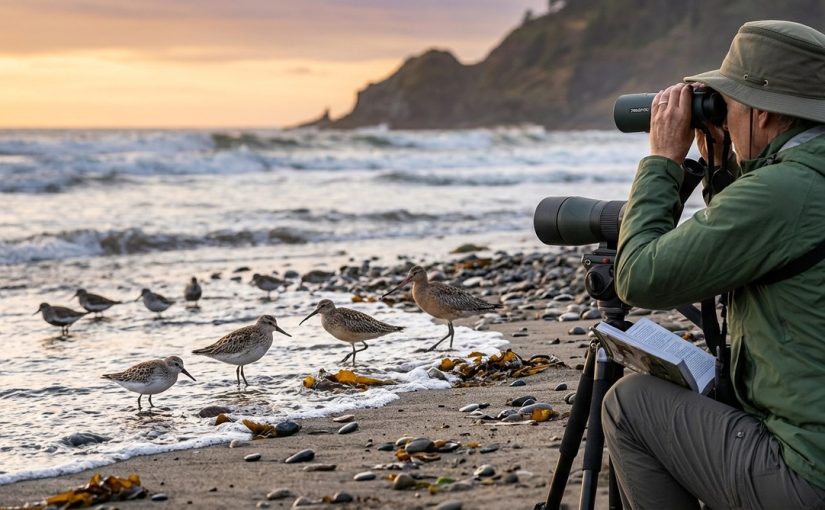
Shorebird numbers peak in late April and early May. Long-billed dowitchers, western sandpipers, and Wilson’s phalaropes gather in shallow ponds by the thousands. American avocets perform their elegant feeding sweeps through ankle-deep water.

Weather during spring varies dramatically. Morning temperatures in March often hover near freezing, climbing to the 60s by afternoon. April brings unpredictable conditions with sunny days interrupted by sudden snow squalls. May offers the most stable weather, with daytime highs in the 70s and minimal precipitation.

Road conditions improve as spring progresses. Center Patrol Road, the main birding route, can be muddy and impassable after storms in March. By May, most refuge roads become accessible to standard vehicles.

Summer Nesting Season Offers Unique Opportunities

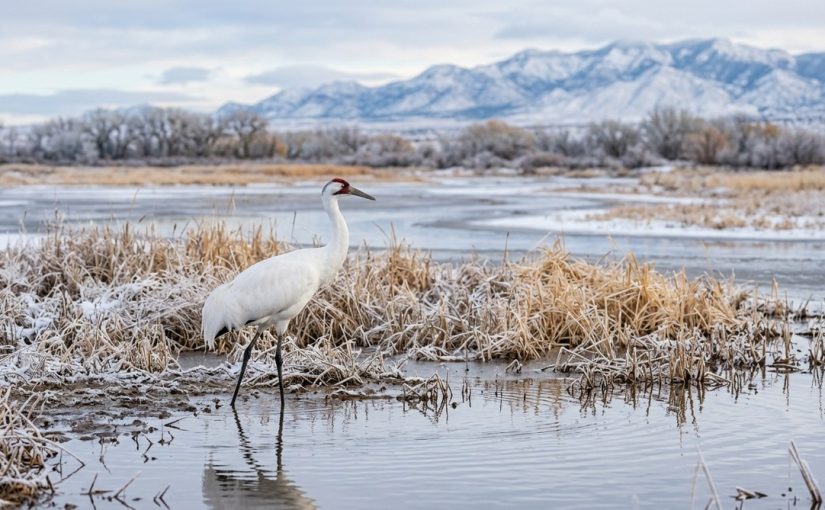
Best Times to Visit Malheur National Wildlife Refuge for Maximum Diversity — image 1

June through August transforms Malheur into a breeding ground for waterbirds. White-faced ibis colonies form in the marshes, with adults shuttling food to demanding chicks. Western and Clark’s grebes perform their spectacular water-walking displays on Mack Lake.

Temperatures climb significantly during summer. Daytime highs regularly exceed 90 degrees in July and August, with intense sun exposure across open wetlands. Early morning hours from 5:30 to 9:00 AM provide the most comfortable conditions for photography and observation.

Mosquitoes emerge in force by late June, persisting through August. Bring effective repellent and consider lightweight long sleeves for marsh edges where they concentrate.

Water levels drop through summer as irrigation demands increase and evaporation accelerates. This concentration effect pushes birds into remaining wet areas, sometimes creating excellent viewing opportunities at accessible ponds. However, drought years can reduce habitat quality significantly by late summer.

Nesting activity peaks in June and early July. American white pelicans raise chicks on islands in Mack and Harney lakes. Caspian terns and California gulls nest in mixed colonies. Long-billed curlews lead fuzzy chicks through sagebrush meadows adjacent to wetlands.

Wildflowers bloom across the uplands in June. Mule’s ear sunflowers carpet hillsides in yellow, while lupines add purple accents. This floral display attracts butterflies and provides photographic variety beyond birds.

Fall Concentrations Peak in September and October

Autumn migration at Malheur differs fundamentally from spring. Rather than a diverse parade of species passing through, fall brings massive concentrations of fewer species preparing for winter.

Waterfowl numbers build through September and peak in October. Northern pintails, mallards, and green-winged teal gather by the tens of thousands. Cackling geese arrive from Alaska, their high-pitched calls distinct from the deeper honks of Canada geese.

Sandhill cranes return in September, staging for their journey south. Flocks of several thousand birds feed in grain fields and roost in shallow marshes. Their morning and evening flights create unforgettable spectacles as long lines of cranes cross golden light.

Shorebird migration occurs earlier in fall than most birders expect. Peak numbers pass through from mid-July through August, with diversity declining sharply by September. Plan accordingly if shorebirds are your primary target.

Weather patterns in fall bring crisp mornings and warm afternoons. September temperatures range from the 30s at dawn to the 70s by midday. October introduces the first hard freezes, with ice forming on ponds overnight.

Fall colors emerge in late September as willows and cottonwoods turn yellow along the Blitzen River. This adds visual interest for photographers beyond wildlife subjects.

Hunting season opens in October, affecting some refuge areas. Check current regulations and closures before planning your route. Most prime birding locations remain accessible, but be aware of increased human activity in certain zones.

Winter Solitude and Resident Species

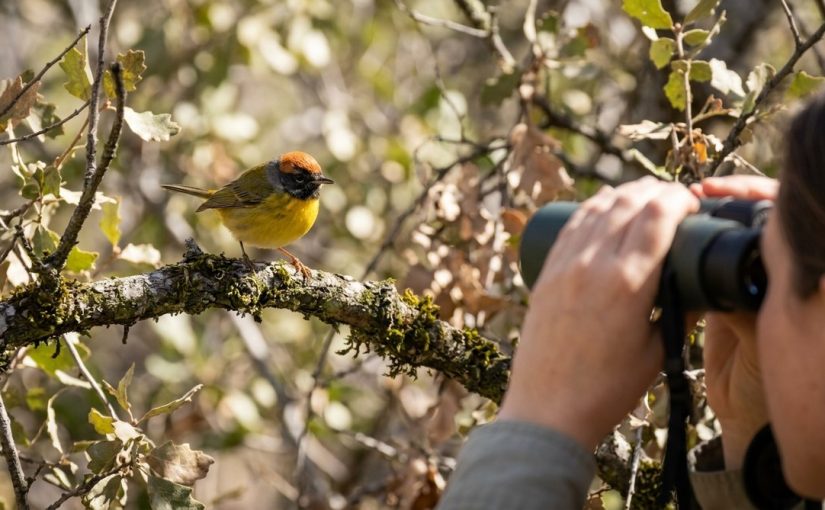
Best Times to Visit Malheur National Wildlife Refuge for Maximum Diversity — image 2

December through February sees the fewest visitors but offers rewards for hardy birders. Snow blankets the refuge intermittently, with temperatures dropping below zero on the coldest nights. Daytime highs struggle to reach freezing during cold snaps.

Resident species become the focus during winter. Rough-legged hawks arrive from the Arctic, perching on fence posts across open country. Prairie falcons hunt from cliff faces in the surrounding rimrock. Golden eagles soar over sagebrush flats.

Waterfowl numbers decline as ponds freeze, but open water at springs and outflows concentrates remaining ducks. Common goldeneyes, buffleheads, and common mergansers occupy these ice-free zones.

Bald eagles gather where fish remain accessible. A dozen or more eagles may roost together in large cottonwoods along the Blitzen River.

Winter finch irruptions bring periodic excitement. Gray-crowned rosy-finches appear in flocks during some years, feeding on weed seeds in snow-free patches. Cassin’s finches and red crossbills move through juniper woodlands unpredictably.

Road access becomes limited in winter. Deep snow closes Center Patrol Road and other routes. The headquarters area and Buena Vista Pond remain accessible most winters, providing limited but productive birding.

Dress in layers for winter visits. Temperatures can vary 40 degrees between dawn and midday. Wind chill factors significantly into comfort levels across exposed wetlands.

Planning Your Visit Around Water Levels

Water availability drives wildlife distribution at Malheur more than any other factor. Snowpack in the Steens Mountain watershed determines how much water flows into the refuge during spring and summer.

High water years flood marshes extensively, creating ideal habitat for nesting waterbirds. Shorebird numbers increase when shallow mudflats expand. Grebes and other diving ducks find abundant food in deeper ponds.

Low water years concentrate birds into smaller areas but can also reduce overall numbers as some species bypass the refuge entirely. Check recent trip reports and refuge updates before finalizing travel plans during drought periods.

The refuge manages water through a complex system of canals, dikes, and control structures. Spring flooding typically inundates the Double-O area and Blitzen Valley. Summer drawdowns expose mudflats that attract shorebirds.

Season Water Level Pattern Bird Distribution Access Conditions
Spring Rising from snowmelt Dispersed across expanding wetlands Muddy roads improving through season
Summer Declining through evaporation Concentrated in remaining ponds Good road access, low water limits habitat
Fall Stable or slightly rising Gathered in managed wetlands Excellent access on dry roads
Winter Minimal, mostly frozen Restricted to open water refugia Limited access due to snow

Photographic Considerations Across Seasons

Light quality varies dramatically with season and time of day. Spring and fall offer the best overall lighting, with sun angles favoring both morning and afternoon sessions. Summer’s high sun creates harsh midday conditions but delivers warm light during extended golden hours.

Spring storms produce dramatic skies that enhance landscape images. Clearing weather after frontal passages creates particularly striking conditions with dark clouds contrasting against sunlit birds.

Backgrounds change seasonally. Spring greens last only a few weeks before summer heat dries vegetation to brown and gold. Fall brings richer earth tones. Winter snow provides clean, high-key backgrounds when available.

Bird behavior affects photographic opportunities. Nesting activity in summer allows closer approaches to some species as they focus on feeding young. Migration periods bring higher diversity but more skittish subjects passing through unfamiliar territory.

Equipment considerations shift with seasons. Summer heat can cause lens fogging when moving from air-conditioned vehicles to hot exteriors. Winter cold drains batteries rapidly and requires hand warmers to maintain dexterity.

Dust becomes a significant issue during dry periods, particularly in summer and fall. Protect camera gear when driving gravel roads and changing lenses in windy conditions.

“The best time to visit Malheur is whenever you can get there, but if you’re chasing species diversity, plan for late April. If you want concentrated waterfowl numbers and dramatic crane flights, October is unbeatable. Each season rewards different priorities.” — Refuge volunteer with 20+ years of observation

Practical Steps for Timing Your Trip

  1. Check recent eBird reports for Malheur National Wildlife Refuge to see current species lists and activity levels. Reports from the past two weeks provide the most relevant information.

  2. Monitor the refuge website for water level updates and road condition reports. These typically post weekly during migration seasons.

  3. Book accommodations in Burns or Frenchglen well ahead for April and May visits. These small towns have limited lodging that fills quickly during peak migration.

  4. Plan for multi-day visits if possible. Weather variability means a single day might produce poor conditions while the next day offers spectacular birding.

  5. Prepare backup plans for different weather scenarios. Have indoor activities or alternative locations ready if storms close roads or reduce visibility.

Essential Seasonal Gear Recommendations

Spring visitors need layered clothing for temperature swings of 40 degrees or more between dawn and afternoon. Waterproof boots handle muddy conditions along marsh edges. Rain gear protects against sudden squalls.

Summer requires sun protection as the primary concern. Wide-brimmed hats, sunscreen, and polarized sunglasses reduce exposure across shadeless wetlands. Carry more water than you think necessary. The high desert climate causes rapid dehydration.

Fall clothing mirrors spring with added warmth for colder mornings. Gloves and a warm hat make early crane flights more enjoyable when temperatures drop into the 20s.

Winter demands serious cold weather gear. Insulated boots rated to negative temperatures, heavy parkas, and face protection allow extended observation periods. Hand and toe warmers extend comfort during stationary watching.

Optics perform differently across seasons. Mirage from heat waves degrades image quality through spotting scopes on hot summer afternoons. Frost accumulation on lenses requires careful handling during winter mornings.

Species Highlights by Month

March brings the first waves of waterfowl and early shorebirds. Tundra swans peak mid-month. Northern harriers begin courtship flights over marshes.

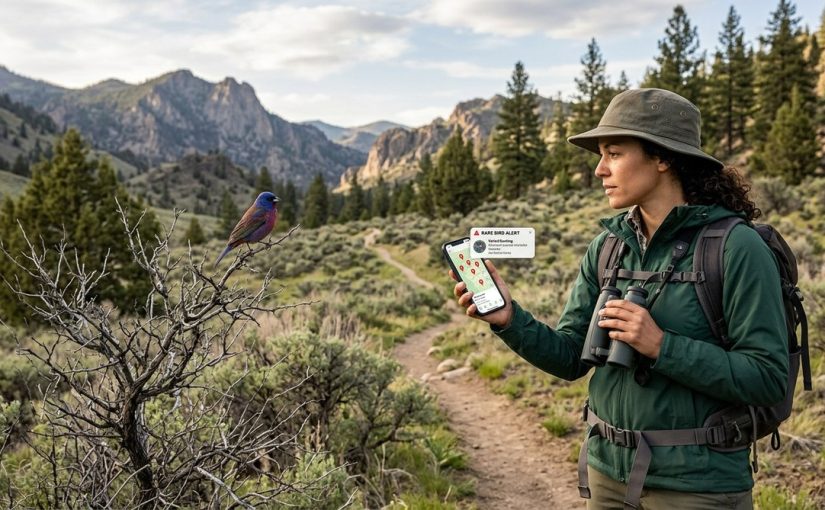
April delivers peak diversity with 150+ species possible. Rare migrants appear regularly. Check recent alerts for vagrant warblers, sparrows, and other unexpected species.

May sees the last major shorebird push and peak songbird migration. Warbler diversity peaks in the first two weeks. Late May brings the first nesting activity for many species.

June focuses on breeding behavior. Grebe displays continue through mid-month. Ibis colonies become active. Curlew chicks appear in upland meadows.

July marks peak summer heat and declining water levels. Shorebird migration begins surprisingly early with returning adults. Young waterbirds fledge from nests.

August continues shorebird passage. Waterfowl undergo wing molt, becoming flightless temporarily and concentrating in secure wetlands. Afternoon thunderstorms provide occasional relief from heat.

September initiates fall waterfowl buildup. Sandhill cranes arrive from northern breeding grounds. Raptors begin moving south along the flyway.

October peaks for waterfowl numbers and crane concentrations. Duck diversity reaches its fall maximum. First winter storms can arrive by month’s end.

November sees declining numbers as ice forms and birds continue south. Hardy species remain through early winter. Bald eagles gather at remaining open water.

December through February focus on resident species and winter visitors. Rough-legged hawks hunt over snow-covered fields. Rosy-finches appear during irruption years.

Combining Malheur with Regional Birding

Steens Mountain, rising directly south of the refuge, offers alpine birding opportunities from late June through September. Black rosy-finches nest on the summit cliffs. The elevation gradient provides habitat variety within an hour’s drive.

Hart Mountain National Antelope Refuge lies 60 miles west, featuring different species in similar high desert habitat. Sage grouse, pronghorn, and bighorn sheep add mammal diversity to a regional trip.

Summer Lake Wildlife Area, two hours northwest, provides an alternative wetland complex. It can be productive when Malheur experiences low water conditions.

Travel time between sites requires planning. Distances are substantial and services are sparse. Fuel up in Burns before heading to remote areas.

Making the Most of Every Season

The best time to visit Malheur National Wildlife Refuge depends entirely on what you hope to see and photograph. Spring migration offers unmatched diversity but unpredictable weather. Summer provides nesting behavior and comfortable conditions despite heat. Fall concentrates waterfowl into spectacular gatherings. Winter rewards solitude seekers with resident species and occasional rarities.

Water levels matter more than calendar dates. A wet year in July can outperform a drought year in April for sheer numbers of birds. Stay flexible and monitor conditions as your trip approaches.

Most importantly, any visit to this remarkable refuge delivers memorable wildlife experiences. The remote location filters out casual visitors, leaving serious birders and photographers to enjoy one of North America’s premier wetland complexes. Plan according to your priorities, prepare for the season’s challenges, and give yourself enough time to appreciate whatever Malheur offers during your visit.

Why Southern Arizona’s Sky Islands Attract Birders From Around the World

Southern Arizona’s Sky Islands rise like biological fortresses from the Sonoran Desert, creating vertical ecosystems that pack Canadian spruce forests and Mexican cloud forests into a single mountain range. For birders, this means spotting Elegant Trogons, Five-striped Sparrows, and Buff-breasted Flycatchers without crossing international borders.

Key Takeaway

Arizona Sky Islands birding offers access to over 400 species across dramatic elevation zones. These isolated mountain ranges attract Mexican specialties and northern species simultaneously, creating unmatched biodiversity. Peak seasons run April through September, with monsoon months bringing vagrant tropical species. Madera Canyon, Ramsey Canyon, and Cave Creek Canyon provide the best infrastructure and species diversity for visiting birders.

What Makes Sky Islands Different From Other Birding Destinations

The term “Sky Islands” describes mountain ranges separated by desert valleys, functioning as ecological islands in a sea of arid lowlands. Each range develops its own microclimates and species assemblages.

This isolation creates biogeographic magic. Birds that normally range through Mexico’s Sierra Madre find their northernmost habitats here. Species typical of the Rocky Mountains extend south along these cool, forested peaks.

The result? You can record a Rufous-capped Warbler (a Mexican specialty) and a Red-naped Sapsucker (a northern breeder) on the same morning hike.

Elevation changes happen fast. Drive from Tucson at 2,400 feet to the top of Mount Lemmon at 9,157 feet in under an hour. That’s equivalent to traveling from Arizona to Canada in terms of life zones.

Each 1,000-foot gain brings new habitat types:

  • Desert grassland (3,500 to 4,500 feet): Botteri’s and Cassin’s Sparrows
  • Oak woodland (4,500 to 6,500 feet): Elegant Trogon, Arizona Woodpecker
  • Pine-oak forest (6,500 to 8,000 feet): Mexican Chickadee, Olive Warbler
  • Mixed conifer (8,000+ feet): Red Crossbill, Williamson’s Sapsucker

This vertical diversity lets you target multiple habitat specialists without driving hundreds of miles between locations.

Top Sky Islands Ranges for Birding

Huachuca Mountains

The Huachucas host the most accessible Sky Islands birding infrastructure. Ramsey Canyon Preserve draws birders specifically for hummingbirds, with 14 species recorded including Berylline, White-eared, and the occasional Plain-capped Starthroat.

Miller Canyon offers similar species with less crowding. The trail follows a perennial stream through sycamore-lined riparian zones where Sulphur-bellied Flycatchers nest each summer.

Carr Canyon Road climbs into high-elevation pine forests. Mexican Chickadees and Olive Warblers breed here reliably. The road gets rough but remains passable for high-clearance vehicles.

Santa Rita Mountains

Madera Canyon serves as Sky Islands birding headquarters. The paved road, developed trails, and established feeders at Santa Rita Lodge make this the most beginner-friendly location.

Elegant Trogons nest along the main canyon trail every year. Listen for their croaking calls near large sycamores. Painted Redstarts flash their white wing patches along every stream section.

The Bog Springs Trail climbs into oak woodland where Spotted Owls occasionally appear at dusk. Whiskered Screech-Owls call regularly from campground trees after dark.

Chiricahua Mountains

Cave Creek Canyon in the Chiricahuas offers the most diverse Sky Islands birding in a single location. The Southwestern Research Station attracts birders year-round with its hummingbird feeders and moth lights.

Eared Quetzals appear irregularly but create major birding alerts when present. The species wanders north from Mexico unpredictably, with Cave Creek being the most likely US location.

South Fork Trail provides excellent access to canyon specialties. Five-striped Sparrows sing from rocky slopes in early morning. Buff-breasted Flycatchers perch on exposed branches in pine-oak zones.

The Portal area at the canyon mouth hosts feeders that attract Lucifer Hummingbirds during migration. Blue-throated Mountain-gems dominate the larger feeders year-round.

Seasonal Timing for Maximum Species Diversity

Understanding seasonal patterns dramatically improves your species count and target bird success rates.

Spring Migration (April to May)

Neotropical migrants arrive throughout April. Warblers, vireos, and flycatchers pass through in waves. Resident Mexican specialties begin territorial singing, making detection easier.

Hummingbird diversity peaks in late April when migrants overlap with arriving summer residents. Expect 8 to 10 species on a good day in prime canyons.

Summer Breeding Season (May to August)

June through July offers the most reliable access to breeding specialties. Trogons, Sulphur-bellied Flycatchers, and Varied Buntings all nest actively.

Monsoon rains typically begin in early July. These afternoon thunderstorms green up the landscape and trigger insect hatches that concentrate birds.

Vagrant tropical species appear during monsoon season. Aztec Thrushes, Flame-colored Tanagers, and Streak-backed Orioles show up almost annually somewhere in the Sky Islands.

Fall Migration (August to October)

Southbound migration overlaps with lingering summer residents. Species diversity remains high through September.

Vagrant warblers from eastern North America appear regularly. Check mixed flocks carefully for rarities like Blackburnian or Cape May Warblers.

Winter Residents (November to March)

Winter brings different species down from higher elevations and up from Mexico. Dark-eyed Juncos and Mountain Chickadees become common in canyons that host different species in summer.

Sparrow diversity increases. White-crowned, Lincoln’s, and Fox Sparrows join resident species in weedy areas and canyon bottoms.

Wintering warblers include Hermit, Townsend’s, and Ruby-crowned Kinglets. Feeders attract unexpected species during cold snaps.

Field Techniques for Sky Islands Specialties

Target Species Best Technique Common Mistake
Elegant Trogon Walk canyon bottoms slowly, listen for croaking calls Hiking too fast, focusing only on visual searching
Five-striped Sparrow Visit rocky slopes at dawn when males sing Arriving mid-morning after singing stops
Buff-breasted Flycatcher Scan exposed perches in pine-oak transition zones Confusing with similar Cordilleran Flycatcher
Montezuma Quail Walk grassland edges quietly at dawn Making noise, visiting during midday heat
Eared Quetzal Monitor recent sighting reports, check fruiting trees Wasting time without current location data

Audio identification matters more in Sky Islands birding than many other regions. Dense vegetation and steep terrain often mean you hear birds long before seeing them.

Learn the calls of these common species to avoid wasting time:

  • Mexican Jay (loud, harsh calls)
  • Bridled Titmouse (rapid, high-pitched notes)
  • Hutton’s Vireo (rising, questioning phrases)
  • Painted Redstart (thin, high chips)

“The biggest mistake I see visiting birders make is hiking too fast through prime habitat. Sky Islands specialties don’t flush readily. They sit tight in dense cover. You need to move slowly, pause frequently, and let birds reveal themselves through movement or sound.” — Field ornithologist with 30+ years in southeastern Arizona

Essential Locations and Access Details

Madera Canyon

  1. Take exit 63 from I-19 south of Tucson
  2. Drive east on White House Canyon Road for 12 miles
  3. Road becomes paved Forest Road 70 at the forest boundary

Parking fills early on spring weekends. Arrive before 7 AM or visit weekdays. The Santa Rita Lodge feeders operate year-round and welcome visiting birders.

Ramsey Canyon Preserve

Owned by The Nature Conservancy, this site requires reservations during peak season. The preserve limits daily visitors to protect habitat quality.

Call ahead or book online. The entrance fee includes access to feeders and trails. Guided walks happen most mornings during migration.

Cave Creek Canyon

Located in the Chiricahuas, this canyon requires more driving time but rewards the effort. The Southwestern Research Station allows public access to its famous feeders for a small donation.

Portal Store serves as the local information hub. Staff track recent sightings and provide current road conditions.

Planning Your Arizona Sky Islands Birding Trip

A typical Sky Islands birding trip spans 4 to 7 days. This allows time to visit multiple ranges and adjust for weather or unexpected rarities.

Base yourself in one location and make day trips, or move between areas:

Option 1: Tucson Base

Stay in Tucson and visit Madera Canyon, Mount Lemmon, and Saguaro National Park as day trips. This provides the most lodging and restaurant options but means more driving.

Option 2: Sonoita/Patagonia Base

This central location puts you within an hour of Madera Canyon, Patagonia Lake, and the Huachuca Mountains. Smaller towns with fewer services but much shorter drives to birding sites.

Option 3: Portal Base

Staying in Portal (near Cave Creek Canyon) makes sense if the Chiricahuas are your primary target. Limited lodging requires advance booking. The remote location means fewer birders and more solitude.

What to Pack

Arizona Sky Islands birding requires preparation for dramatic temperature swings and intense sun exposure.

Essential gear includes:

  • Sun protection: wide-brimmed hat, sunscreen, long sleeves
  • Layered clothing: mornings start cold even in summer
  • Sturdy hiking boots: trails include rocky, uneven terrain
  • High-quality binoculars: 8×42 or 10×42 work best
  • Field guide: Sibley or National Geographic cover regional species
  • Water: carry at least 2 liters per person per day
  • Snacks: services are limited near many birding sites

Monsoon season (July to September) brings afternoon thunderstorms. Pack rain gear and plan morning outings. Lightning danger becomes serious in exposed areas.

Beyond the Marquee Species

While Mexican specialties draw most attention, Sky Islands host incredible diversity in common species too.

Hummingbird identification challenges even experienced birders. Separating female Broad-tailed from Calliope or distinguishing Magnificent from Blue-throated requires careful study of size, bill shape, and tail patterns.

Empidonax flycatchers present similar challenges. Cordilleran, Dusky, and Gray Flycatchers all occur here. Voice provides the most reliable identification method.

Sparrow diversity peaks in winter and early spring. Grassland edges and weedy fields can produce 10+ species in a morning, including specialties like Baird’s and Brewer’s.

Raptor migration through the Sky Islands remains understudied compared to other North American flyways. Fall brings kettles of Broad-winged Hawks and rivers of Turkey Vultures through mountain passes.

Ethical Birding Practices in Sensitive Habitats

Sky Islands ecosystems face multiple pressures from recreation, climate change, and development. Responsible birding helps protect these areas for future generations.

Stay on established trails. Shortcutting damages fragile soils and vegetation. In riparian areas, trampled banks cause erosion that degrades stream habitat.

Respect private property. Many excellent birding spots sit on private land. Trespassing damages relationships between birders and landowners.

Limit playback use. Audio luring stresses breeding birds and habituates them to human presence. Use playback sparingly, only for brief confirmations, and never during nesting season.

Share rare bird sightings responsibly. Report vagrants to eBird and local rare bird alerts, but consider whether publicizing exact locations might harm sensitive species or habitats.

Making Sense of Sky Islands Biogeography

The species assemblages here reflect complex geological and climatic history. During ice ages, cooler temperatures allowed northern species to expand southward through connected mountain forests.

As the climate warmed, rising temperatures fragmented these forests. Populations became isolated on individual mountain ranges, creating the Sky Islands pattern we see today.

Some species evolved into distinct subspecies or even separate species on different ranges. The Mexican Chickadee shows genetic differences between Sky Islands populations, suggesting long isolation.

Other species maintain genetic connectivity through occasional dispersal across desert valleys. Young birds sometimes cross these barriers during post-breeding wandering.

This biogeographic complexity makes the Sky Islands valuable for evolutionary research and conservation planning. Protecting multiple ranges preserves genetic diversity and evolutionary potential.

Weather Patterns and Birding Conditions

Understanding local weather improves both comfort and birding success.

Spring (March to May) brings mild temperatures and occasional windy days. Winds can reduce bird activity but also concentrate migrants in sheltered canyons.

Summer heat arrives in late May. Desert lowlands become uncomfortably hot by mid-morning. Focus birding efforts at higher elevations or finish by 10 AM.

Monsoon thunderstorms begin in early July and continue through September. These storms typically develop after noon. Morning birding stays dry, but afternoon lightning makes high ridges dangerous.

Fall (October to November) provides ideal conditions. Temperatures moderate, storms decrease, and bird activity increases as migrants pass through.

Winter (December to February) brings cold mornings at higher elevations. Snow occasionally closes high-elevation roads. Canyon bottoms and south-facing slopes provide the most comfortable birding.

Your Next Steps for Sky Islands Success

Arizona Sky Islands birding rewards preparation and patience. Study target species before arriving. Learn calls and songs. Understand habitat preferences.

Check recent eBird reports for your planned locations. These show which species are currently present and where birders are finding them.

Allow flexibility in your schedule. Rare bird alerts might send you to unexpected locations. Weather might close roads or make certain areas unproductive.

Start early each morning. Dawn chorus peaks between first light and two hours after sunrise. Many target species vocalize most actively during this window.

The Sky Islands will challenge your identification skills, test your endurance on steep trails, and reward you with species found nowhere else in the United States. Each canyon holds discoveries, whether that’s your first trogon or an unexpected vagrant from Mexico.

Pack your field guide, charge your camera, and head to southern Arizona. The mountains are waiting.

7 Underrated Mountain Birding Spots in the Pacific Northwest

The Pacific Northwest’s mountain ranges hold some of the continent’s most spectacular birding opportunities, yet most visitors flock to the same handful of well-known locations. While places like Mount Rainier’s Paradise and Crater Lake draw thousands of birders each season, dozens of equally rewarding high-elevation sites remain surprisingly quiet.

Key Takeaway

The Pacific Northwest offers seven exceptional mountain birding locations that remain undervisited despite hosting rare alpine species, diverse habitats, and excellent trail access. These spots range from Washington’s [North Cascades](https://www.nps.gov/noca/index.htm) to Oregon’s Steens Mountain, each providing unique opportunities to observe [Gray-crowned Rosy-Finches](https://en.wikipedia.org/wiki/Gray-crowned_rosy_finch), White-tailed Ptarmigan, American Pipits, and other high-elevation specialists without the crowds found at mainstream destinations.

Hart’s Pass and Slate Peak, North Cascades

At 6,198 feet, Hart’s Pass represents the highest road-accessible point in Washington’s North Cascades. The surrounding subalpine meadows and rocky slopes create perfect habitat for species that most birders miss entirely.

Gray-crowned Rosy-Finches nest in the talus fields near Slate Peak from late June through August. These birds are notoriously difficult to find elsewhere in Washington, making this location particularly valuable for serious listers.

The road typically opens in mid-July after snowmelt. Arrive at dawn to catch American Pipits performing their distinctive flight displays over the alpine tundra. Horned Larks occupy the same habitat, often feeding along the road’s gravel shoulders.

Bring layers regardless of the forecast. Temperatures can drop 30 degrees between the trailhead and the summit, and afternoon thunderstorms develop rapidly above treeline.

Steens Mountain, Southeast Oregon

Most birders overlook Oregon’s high desert completely, which makes Steens Mountain an exceptional choice for those willing to venture off the typical coastal circuit.

The loop road climbs from sagebrush flats at 4,000 feet to alpine tundra at 9,733 feet. This elevation gradient compresses multiple life zones into a single day trip.

  • Gray-crowned Rosy-Finches frequent the summit area
  • Sage Thrashers and Brewer’s Sparrows dominate lower elevations
  • Golden Eagles soar along the fault-block escarpment
  • Prairie Falcons nest in the rimrock cliffs

The road opens around July 1st, weather permitting. Snow can persist on the upper sections well into summer, so check current conditions before making the drive.

Water sources are scarce. Carry at least two liters per person, especially if you plan any hiking beyond the vehicle pullouts.

Mount Spokane State Park, Northeast Washington

Just 30 miles from Spokane, Mount Spokane receives a fraction of the birding pressure that western Cascade locations endure. The 13,919-acre park encompasses everything from ponderosa pine forests to subalpine fir parklands.

The summit road provides easy access to high-elevation habitats without requiring technical hiking skills. Spruce Grouse inhabit the dense conifer stands between 4,500 and 5,500 feet.

Calliope Hummingbirds arrive in late May, feeding on paintbrush and penstemon blooms throughout the subalpine zone. Males perform their distinctive U-shaped display flights over meadow edges during morning hours.

Three-toed Woodpeckers occupy burned and beetle-killed stands. Listen for their soft tapping, which sounds quieter than most woodpecker species and can be easily missed.

“Mount Spokane consistently produces species that require significant effort to find elsewhere in Washington. The combination of accessibility and habitat diversity makes it one of the state’s most underrated mountain birding locations.” — Pacific Northwest Field Ornithologists

Wallowa Mountains, Northeast Oregon

The Wallowas rise abruptly from the surrounding valleys, creating dramatic topographic relief and corresponding habitat diversity. These mountains support breeding populations of species more commonly associated with the Rocky Mountains.

White-headed Woodpeckers reach their northeastern range limit here. Check ponderosa pine stands between 3,500 and 5,000 feet, particularly around Wallowa Lake State Park.

The high country above 7,000 feet holds breeding American Pipits and occasional White-tailed Ptarmigan sightings, though the latter remain extremely rare and unpredictable.

Access varies by season:

  1. Lower elevation trails open by May
  2. Mid-elevation routes become passable in June
  3. Alpine areas remain snow-covered until late July

The Eagle Cap Wilderness offers extensive backcountry opportunities, but day birding along the Wallowa Lake Highway and Imnaha River Road produces excellent results without requiring overnight permits.

Blue Mountains, Eastern Oregon and Washington

Straddling the Oregon-Washington border, the Blues represent one of the Pacific Northwest’s most overlooked mountain ranges. Forest composition here differs significantly from the Cascades, with extensive stands of grand fir, Douglas-fir, and western larch.

Flammulated Owls breed in open ponderosa pine forests throughout the range. These tiny owls arrive in late May and vocalize most actively during the first two hours after sunset.

Species Habitat Peak Season Detection Method
Flammulated Owl Open ponderosa pine June-July Evening vocalization
Williamson’s Sapsucker Mixed conifer, aspen groves May-August Drumming, nest holes
Cassin’s Finch Subalpine fir parkland June-September Song from treetops
Pine Grosbeak High-elevation spruce-fir Year-round Call notes, feeding flocks

The Umatilla National Forest provides hundreds of miles of forest roads with minimal traffic. Target elevations between 4,000 and 6,000 feet for maximum species diversity.

Williamson’s Sapsuckers favor areas with aspen groves interspersed among conifers. Males drum frequently during May and June, creating a distinctive irregular rhythm.

Mount Adams, South Cascades

Mount Adams stands in the shadow of its more famous neighbor, Mount Rainier, receiving far fewer visitors despite comparable birding opportunities.

The south side approach via Forest Road 23 and the Takhlakh Lake area offers excellent high-elevation access. Subalpine meadows here support breeding Hermit Warblers, which reach high densities in mature mountain hemlock forests.

Clark’s Nutcrackers are resident year-round but become most conspicuous in late summer when they harvest whitebark pine seeds. Watch for their caching behavior in open areas near treeline.

The Bird Creek Meadows area on the mountain’s east side requires a permit from the Yakama Nation. This adds a layer of planning complexity but rewards visitors with some of Washington’s finest alpine birding habitat.

Sooty Grouse perform their deep hooting displays throughout the subalpine zone. The sound carries remarkable distances but pinpointing the source often requires patience and careful listening.

Ochoco Mountains, Central Oregon

The Ochocos rarely appear in Pacific Northwest birding guides, yet they offer a distinctive mix of species found nowhere else in Oregon at comparable elevations.

These relatively low mountains top out around 6,900 feet but support isolated populations of montane specialists. The geology here differs from the Cascades, with extensive exposures of volcanic tuff and ancient lava flows creating unique microhabitats.

Pygmy Nuthatches reach high densities in old-growth ponderosa pine stands. Look for their busy foraging flocks moving through the canopy in groups of 10 to 30 individuals.

The Ochoco Divide area along Highway 26 provides easy roadside birding with pullouts every few hundred yards. Red Crossbills of multiple call types occur here, though identifying specific types requires careful audio recording and analysis.

Lewis’s Woodpeckers breed in burned areas with standing snags. The 2017 fires created extensive habitat that should remain productive for another decade as snags gradually fall.

Common mistakes birders make in these mountains include:

  • Visiting too early in the season before snowmelt
  • Underestimating driving times on unpaved forest roads
  • Failing to bring adequate water and sun protection
  • Ignoring habitat edges where species diversity peaks

Planning Your Mountain Birding Trip

Timing determines success at high elevations more than any other factor. Snow lingers well into summer above 6,000 feet throughout the Pacific Northwest.

Target late June through early August for alpine species. This window captures the peak breeding season for rosy-finches, pipits, and ptarmigan while ensuring road access to most locations.

September offers a second opportunity as fall migration brings unexpected vagrants to mountain passes. Lapland Longspurs occasionally turn up in alpine zones during early autumn, though sightings remain rare and unpredictable.

Weather changes rapidly at elevation. Afternoon thunderstorms develop over the Cascades and Blue Mountains with remarkable regularity during summer months. Start early and plan to descend by early afternoon.

Cell service is nonexistent at most of these locations. Download offline maps and carry physical backup navigation tools. A compass and topographic map weigh almost nothing but provide critical redundancy if electronics fail.

  • Pack clothing for temperatures 20-30 degrees cooler than valley forecasts
  • Carry bear spray in areas with known grizzly or black bear activity
  • Bring tire repair supplies for remote forest roads
  • Download bird vocalizations for target species before leaving cell coverage

Gear Considerations for Mountain Birding

Optics perform differently at high elevations. Thinner air improves clarity but intense UV radiation creates harsh lighting conditions that challenge even quality binoculars.

A spotting scope adds significant weight but proves invaluable for scanning distant talus slopes where rosy-finches forage. A 65mm objective provides adequate light gathering without excessive bulk.

Tripods stabilize views in the constant wind that characterizes alpine environments. Even lightweight models dramatically improve viewing comfort during extended observation sessions.

Recording equipment helps document rare species and unusual vocalizations. Many mountain specialists have poorly known vocal repertoires, making quality recordings scientifically valuable.

Altitude affects physical performance more than most birders anticipate. Locations above 7,000 feet can cause noticeable fatigue and shortness of breath, especially for visitors arriving from sea level.

Acclimatize gradually if possible. Spend a night at intermediate elevation before pushing to the highest accessible points. This simple step reduces headaches and improves stamina significantly.

Finding Your Next Mountain Adventure

These seven locations represent just a starting point for mountain birding in the Pacific Northwest. Dozens of similar sites await birders willing to study maps, read habitat descriptions, and venture beyond established hotspots.

Forest Service websites provide current road conditions and seasonal closures. Check these resources within 48 hours of any trip, as conditions change rapidly during spring and early summer.

Local bird clubs often maintain detailed site guides that include specific directions, seasonal highlights, and recent sightings. These resources frequently contain information unavailable through mainstream birding apps or websites.

The Pacific Northwest’s mountain ranges offer a lifetime of birding opportunities. Each range has its own character, its own suite of specialties, and its own rewards for those who make the effort to visit. Pick a location, check the road conditions, and start planning your next high-elevation adventure.

The Ultimate Guide to Birding the Salton Sea Year-Round

The Salton Sea sits like a mirage in the Southern California desert, but for birders, it’s anything but an illusion. This saline lake hosts over 400 documented bird species, making it one of North America’s most productive birding destinations. Whether you’re chasing rare vagrants or building your life list with common migrants, this inland sea delivers sightings that rival coastal hotspots.

Key Takeaway

Birding Salton Sea rewards patient observers with diverse species across all seasons. Peak migration periods in spring and fall bring shorebirds, waterfowl, and rare vagrants. Winter offers excellent waterfowl viewing, while summer attracts breeding species adapted to extreme heat. Success requires early morning visits, multiple hotspots, and preparation for harsh desert conditions including heat and deteriorating air quality.

Why Birders Flock to This Desert Oasis

The Salton Sea formed accidentally in 1905 when Colorado River irrigation canals breached, flooding the Salton Sink. What started as an engineering disaster became an ecological phenomenon. The lake now serves as critical habitat along the Pacific Flyway, providing rest stops for millions of migrating birds.

The sea’s hypersaline water supports fewer fish species than freshwater lakes, but its shoreline mudflats attract massive concentrations of shorebirds. Agricultural runoff creates nutrient-rich conditions that fuel algae blooms, which in turn support invertebrates that feed countless waterbirds.

Location matters here. The Salton Sea sits at 227 feet below sea level, creating unique microclimates. Cool mornings give way to scorching afternoons. Winter temperatures remain mild compared to mountain regions just miles away.

Best Times for Birding Throughout the Year

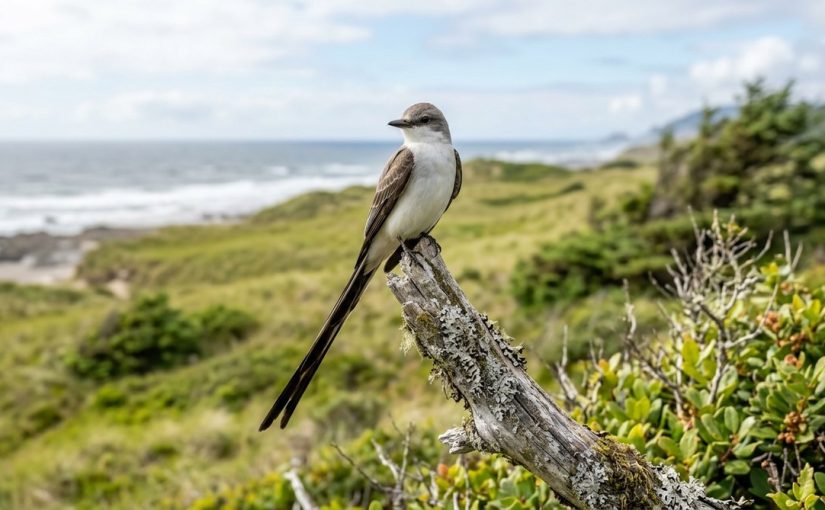
The Ultimate Guide to Birding the Salton Sea Year-Round — image 1

Timing your visit makes the difference between a good day and an extraordinary one. Each season brings distinct species and viewing opportunities.

Spring Migration (March through May)

Shorebird diversity peaks during these months. Scan mudflats for:

  • Western Sandpiper
  • Long-billed Dowitcher
  • American Avocet
  • Black-necked Stilt
  • Wilson’s Phalarope

Eared Grebes arrive by the thousands, sometimes forming rafts visible from shore. Yellow-footed Gulls begin appearing from the Gulf of California, one of the few reliable spots to see this species in the United States.

Summer Breeding Season (June through August)

Heat drives most birders away, but dedicated observers find rewards. Gull-billed Terns nest on islands. Black Skimmers skim the surface at dawn. Burrowing Owls occupy canal banks and agricultural fields.

Temperatures regularly exceed 110°F. Start before sunrise and finish by 10 AM.

Fall Migration (September through November)

This period rivals spring for diversity. Shorebirds return in waves. Passerine migrants use riparian corridors as highways. Rare vagrants show up with increasing frequency as weather patterns shift.

Check tamarisk thickets for warblers, vireos, and flycatchers. Scan power lines for raptors including Peregrine Falcon and Prairie Falcon.

Winter Waterfowl Season (December through February)

Duck and goose numbers swell. Species include:

  • Northern Pintail
  • Green-winged Teal
  • Ruddy Duck
  • Ross’s Goose
  • Snow Goose

Bald Eagles patrol the shoreline. Mountain Plover inhabit nearby agricultural fields. Burrowing Owls become easier to spot as vegetation dies back.

Top Hotspots Around the Sea

The Salton Sea covers roughly 343 square miles with varied habitat around its perimeter. Focus your efforts on these proven locations.

Sonny Bono Salton Sea National Wildlife Refuge

Located on the southern end, this refuge protects critical wetland habitat. The Rock Hill Trail provides elevated views over ponds and marshes. Scan for rails, bitterns, and diving ducks.

The observation platform near the visitor center offers scope views of distant mudflats. Arrive at dawn when birds are most active.

Wister Unit

This managed wetland north of Niland attracts waterfowl and shorebirds in impressive numbers. Levee roads allow vehicle-based birding, perfect for hot days.

Check cattail edges for Yuma Clapper Rails. Scan open water for grebes and diving ducks.

Red Hill Marina

Though the marina itself has deteriorated, the surrounding area remains productive. Gulls congregate on exposed pilings. Terns fish offshore. Shorebirds work the mudflats at low water.

Park carefully and watch for soft ground near the shoreline.

Salton Sea State Recreation Area

The campground and beach areas on the northeast shore provide access to different habitat types. Palm groves attract migrant passerines. Open beach areas host plovers and sandpipers.

The boat launch area concentrates waterfowl during winter months.

Obsidian Butte

This volcanic dome on the southeastern shore creates unique habitat. Desert species mix with water-dependent birds. Scan the surrounding desert scrub for Verdin, Black-tailed Gnatcatcher, and LeConte’s Thrasher.

Planning Your Birding Trip

Success at the Salton Sea requires more preparation than a typical coastal birding trip. Desert conditions and limited services demand careful planning.

Essential Gear Checklist

  1. Bring more water than you think necessary. One gallon per person minimum for a half-day trip.
  2. Pack sunscreen with SPF 50 or higher. Reapply every two hours.
  3. Carry a spotting scope. Many birds stay far from shore on mudflats and open water.
  4. Wear a wide-brimmed hat and lightweight, light-colored clothing.
  5. Include electrolyte replacement drinks or tablets.

Navigation and Access

Cell phone coverage remains spotty around much of the sea. Download offline maps before you arrive. Paper maps provide backup navigation.

Most roads around the sea are paved, but many access points require driving on dirt roads. Check road conditions after rain events.

Gas stations cluster in Brawley, El Centro, and Indio. Fill up before heading to remote areas.

Health and Safety Considerations

The Salton Sea faces serious environmental challenges. Exposed lakebed releases dust containing harmful particles. Air quality can deteriorate rapidly, especially on windy days.

Check air quality indexes before your visit. Avoid strenuous activity when particulate levels spike. People with respiratory conditions should take extra precautions.

The water itself contains high levels of salinity and pollutants. Avoid contact. Don’t let pets swim.

“The Salton Sea teaches patience. Birds concentrate at specific times and locations. Learn the patterns, respect the heat, and you’ll be rewarded with sightings found nowhere else in North America.” — Field ornithologist with 30 years of Salton Sea surveys

Target Species and Where to Find Them

Certain species draw birders from around the world. Knowing where and when to look increases your success rate.

Species Best Season Prime Location Viewing Tips
Yellow-footed Gull May to September Red Hill Marina Scan gull flocks for yellow legs
Gull-billed Tern June to August Wister Unit Check island nesting sites
Mountain Plover December to February Agricultural fields near Niland Scan plowed fields at dawn
Burrowing Owl Year-round Canal banks, Sonny Bono NWR Look for burrows in earthen banks
Wood Stork August to October Wister Unit, Sonny Bono NWR Soaring birds over wetlands

Rare Bird Alerts

The Salton Sea produces vagrant records regularly. Eastern warblers, tropical seabirds, and out-of-range shorebirds appear with surprising frequency.

Join local birding groups and rare bird alert services. When a rarity gets reported, act fast. Vagrants often move on within hours or days.

Check eBird hotspot lists before your visit. Recent sightings indicate current bird activity and help prioritize locations.

Photography Opportunities

Photographers find exceptional subjects around the Salton Sea, but challenging conditions test equipment and patience.

Early morning light provides the best conditions. Golden hour illuminates birds against dramatic desert backdrops. Heat shimmer becomes problematic by mid-morning, reducing image quality for distant subjects.

Bring lens cleaning supplies. Dust infiltrates everything. Protect camera bodies when changing lenses.

Shoreline reflections create artistic compositions. Position yourself with the sun behind you for optimal lighting on bird subjects.

Respect nesting birds. Maintain safe distances and never flush birds from nests for photographs.

Conservation Context

Understanding the Salton Sea’s ecological crisis adds depth to any birding visit. The sea is shrinking. As water levels drop, salinity increases beyond tolerance levels for most fish. Without fish, piscivorous birds lose their food source.

Exposed lakebed creates toxic dust storms. Habitat loss threatens species that depend on this oasis.

Conservation efforts continue, but solutions remain complex and expensive. Birders contribute by documenting species presence through eBird reports and supporting organizations working on restoration projects.

Your observations matter. Citizen science data helps researchers track population trends and advocate for habitat protection.

Common Mistakes to Avoid

New visitors often make predictable errors that reduce their birding success.

Arriving Too Late

Desert heat builds rapidly. By 10 AM in summer, bird activity drops dramatically. Most species retreat to shade or become less active.

Set your alarm early. Best birding happens between sunrise and two hours after.

Skipping Optics

Binoculars alone won’t cut it here. Many birds stay hundreds of yards offshore or on distant mudflats. A spotting scope transforms your ability to identify distant waterfowl, shorebirds, and gulls.

Ignoring Water Needs

Dehydration sneaks up on desert visitors. Dry air wicks moisture away faster than you notice. Drink before you feel thirsty.

Overlooking Agricultural Areas

Birders fixate on the shoreline and miss productive farmland habitat. Fields, canals, and irrigation ditches host different species including Mountain Plover, Long-billed Curlew, and various raptors.

Underestimating Distances

The Salton Sea spans 35 miles from north to south. Driving between hotspots takes longer than maps suggest. Plan realistic itineraries that account for travel time.

Seasonal Birding Strategies

Adapt your approach based on the time of year you visit.

Spring Strategy

Focus on mudflats during morning low water periods. Shorebirds concentrate on exposed substrate. Check freshwater inflows where rivers and canals enter the sea.

Scan gull flocks methodically. Yellow-footed Gulls mix with Ring-billed and California Gulls.

Summer Strategy

Start before dawn. Finish by mid-morning. Return for evening sessions if you can tolerate the heat.

Target breeding species at specific sites. Gull-billed Terns nest on islands visible from shore at Wister Unit.

Fall Strategy

Check every riparian corridor and tamarisk stand. Migrant passerines use these green corridors as rest stops.

Scan overhead regularly. Raptors migrate through in good numbers.

Winter Strategy

Focus on waterfowl concentrations. Wister Unit and Sonny Bono NWR host the highest densities.

Check agricultural fields for plovers and longspurs. Scan power lines and fence posts for raptors.

Field Identification Tips

The Salton Sea presents identification challenges unique to this region.

Gull Identification

Multiple gull species overlap here. Yellow-footed Gulls resemble Western Gulls but show brighter yellow legs and darker mantles. Study leg color, mantle shade, and orbital ring color.

Grebe Confusion

Eared Grebes occur in massive numbers. Clark’s and Western Grebes also appear. Study head patterns, bill color, and neck markings carefully.

Shorebird Sorting

Mudflats host mixed flocks. Focus on size, bill shape, and leg color to separate species. Dowitchers, sandpipers, and plovers all feed together.

Take field notes. Photograph difficult birds for later study.

Making the Most of Your Visit

Combine birding with cultural and geological interests. The Salton Sea region offers more than birds.

Salvation Mountain, a folk art installation north of Niland, provides a colorful break. The nearby town of Bombay Beach offers surreal abandoned buildings and art installations.

Hot springs dot the southeastern shore. Geothermal activity creates unique geological features worth exploring.

Support local businesses when possible. Small communities around the sea benefit from visitor spending.

Your Salton Sea Birding Adventure Awaits

This desert oasis challenges and rewards in equal measure. Heat, dust, and deteriorating conditions test your commitment, but the birds make every hardship worthwhile. Few places in North America concentrate such diversity in such a small area.

Start planning your trip around migration peaks. Pack twice as much water as seems reasonable. Wake up before the sun. Your life list will thank you for the effort.

The Salton Sea won’t wait forever. Ecological changes continue reshaping this landscape. Visit while this remarkable birding destination still thrives.

Where to Find Rare Warblers Along California’s Central Coast

California’s Central Coast offers some of the most rewarding warbler watching opportunities in the western United States. From coastal scrub to riparian corridors, this region attracts both resident species and rare vagrants that draw birders from across the country. The combination of diverse habitats, strategic geography, and microclimates creates perfect conditions for observing these colorful migrants during spring and fall movements.

Key Takeaway

California’s Central Coast provides exceptional warbler habitat from Monterey County through San Luis Obispo County. Prime viewing occurs during spring migration (April through May) and fall migration (August through October). Target riparian zones, coastal scrub, and vagrant traps near water sources. Rare species include Lucy’s Warbler, Black-throated Gray Warbler, and occasional eastern vagrants. Successful birders focus on early morning hours, learn chip notes, and monitor recent sighting reports.

Prime Locations for Central Coast Warblers

Monterey County holds the highest concentration of warbler hotspots. Point Lobos State Natural Reserve provides coastal scrub habitat where Townsend’s Warblers appear regularly during migration. The reserve’s sheltered coves and cypress groves create natural funnels that concentrate migrants after overnight flights.

Big Sur’s riparian canyons host breeding populations of Wilson’s Warbler and Orange-crowned Warbler. The Pfeiffer Big Sur State Park trail system offers access to streamside habitat where these species nest from April through July. Listen for the distinctive staccato song of Wilson’s Warbler near willow thickets.

Morro Bay State Park in San Luis Obispo County features eucalyptus groves that attract vagrant warblers during migration. The park’s combination of freshwater marsh, coastal scrub, and introduced trees creates diverse microhabitats. Yellow-rumped Warblers winter here in large numbers, while rarer species appear during weather events.

Andrew Molera State Park provides beach access combined with riparian woodland. The Big Sur River mouth concentrates migrants, particularly after storms or during fallout conditions. Check the willows and alders along the river for Hermit Warblers and MacGillivray’s Warblers.

Pismo State Beach and Oceano Dunes offer open habitat where Palm Warblers occasionally appear. These eastern vagrants favor edge habitat between dunes and vegetation. The nearby Oso Flaco Lake provides freshwater habitat that attracts tired migrants.

Seasonal Timing and Migration Windows

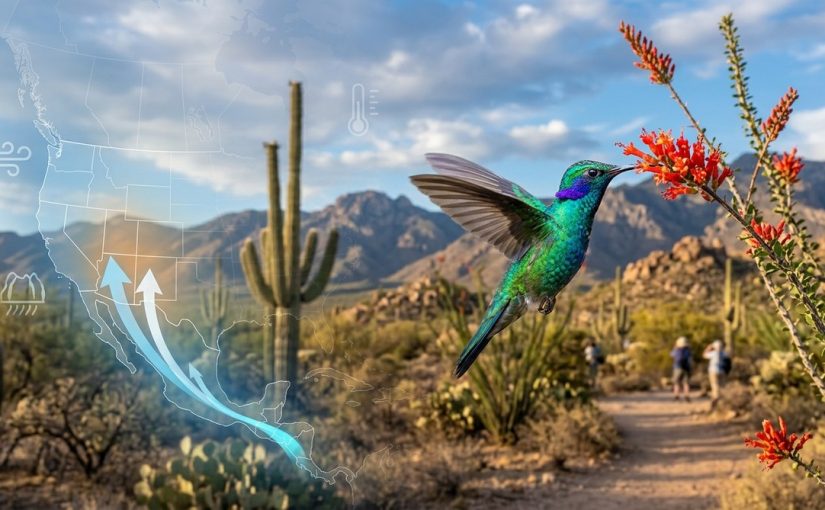
Where to Find Rare Warblers Along California's Central Coast — image 1

Spring migration begins in late March and peaks from mid-April through mid-May. This window offers the best diversity as both early migrants and late arrivals overlap. Male warblers arrive first, often in breeding plumage, making identification easier.

Fall migration stretches from August through October with a broader, less concentrated pattern. Juveniles and females in basic plumage dominate fall flocks, presenting identification challenges. However, fall migration lasts longer, providing more opportunities to find rarities.

Winter months (December through February) feature fewer species but higher concentrations of Yellow-rumped Warblers and occasional Townsend’s Warblers. These hardy species exploit the mild coastal climate and abundant insect populations.

Season Peak Dates Target Species Habitat Focus
Spring April 15 – May 15 Wilson’s, Hermit, Black-throated Gray Riparian corridors, oak woodland
Fall September 1 – October 15 Orange-crowned, MacGillivray’s, vagrants Coastal scrub, vagrant traps
Winter December – February Yellow-rumped, Townsend’s Eucalyptus groves, coastal edges
Summer June – July Breeding residents Stream-side willows, canyon bottoms

Identifying Central Coast Warbler Species

Yellow-rumped Warblers represent the most abundant species. Their distinctive rump patch shows clearly in flight. Listen for their soft check calls in mixed flocks. The Audubon’s subspecies dominates here, showing a yellow throat unlike the white-throated Myrtle subspecies.

Townsend’s Warblers feature bold black and yellow facial patterns. Males show striking black cheeks and throat. They forage actively in conifers and eucalyptus, often joining chickadee flocks. Their thin, high-pitched song carries well in quiet morning conditions.

Orange-crowned Warblers lack distinctive field marks, making them challenging for beginners. Look for their olive-gray coloration, faint streaking, and habit of tail-bobbing. The orange crown rarely shows in the field. They prefer low, dense vegetation.

Wilson’s Warblers display bright yellow plumage with a black cap on males. They actively flycatch, making short sallies from perches. Their energetic behavior and tail-flicking help with identification even in poor light.

Hermit Warblers show yellow faces with black throats and gray backs. They favor conifer habitat but appear in mixed woodland during migration. Their song resembles Townsend’s Warbler but typically ends with unslurred notes.

Field Techniques for Warbler Watching

Start birding at dawn when warblers feed most actively. The first two hours after sunrise produce the highest activity levels. Morning light also improves visibility and reduces heat shimmer.

Learn chip notes and call notes before focusing on songs. Warblers vocalize constantly while foraging, and these brief sounds often provide the first detection. Recording apps help train your ear between field trips.

Position yourself near water sources during dry periods. Migrants concentrate at streams, seeps, and ponds. Set up below eye level when possible, as warblers often forage in canopy but descend to drink.

Move slowly and pause frequently. Warblers respond to movement, and patient observers see more birds. Find a productive spot and wait rather than covering long distances.

Use pishing and squeaking sparingly. These techniques work but can stress birds during migration. Reserve them for confirming identifications rather than attracting every bird.

“The Central Coast’s warbler diversity peaks during weather reversals. Northwest winds during spring migration push migrants inland, concentrating them in coastal canyons. After these events, check every riparian corridor within five miles of the coast. I’ve found three life birds this way in the past decade.” — Maria Sandoval, Monterey County field ornithologist

Planning Your Warbler Birding Trip

  1. Check recent eBird reports for the specific locations you plan to visit. Sightings from the previous 48 hours indicate current activity levels.
  2. Download offline maps and bird lists before heading to remote locations. Cell service remains spotty in Big Sur and other prime warbler habitat.
  3. Pack layers regardless of forecast. Coastal microclimates shift rapidly, and morning fog often burns off by mid-morning.
  4. Bring field guides covering both western species and eastern vagrants. Central Coast vagrant traps produce surprising eastern warblers during fall migration.
  5. Plan visits around tides if birding coastal locations. Low tides expose feeding areas and concentrate birds near remaining water sources.
  6. Arrive at popular locations early to secure parking. Point Lobos and Andrew Molera fill quickly on weekends during peak migration.

Equipment Recommendations for Warbler Identification

Binoculars rated 8×42 or 10×42 provide the best balance for warbler watching. Higher magnification helps with canopy species but reduces field of view in dense vegetation. Prioritize close focus distance under 6 feet for low-foraging species.

A spotting scope adds value at coastal vagrant traps where birds may perch at distance. However, most warbler watching happens at ranges where binoculars perform better.

Camera gear should emphasize fast autofocus over megapixels. Warblers move constantly, and sharp focus matters more than resolution. A 400mm lens covers most situations without excessive weight.

Audio recording equipment helps document rare species and build reference libraries. Even smartphone recordings capture enough detail for later analysis. Note that permits may be required for commercial recording in state parks.

Field guides specific to California warblers provide regional detail that national guides lack. Supplemental guides covering vagrant identification help during fall migration when eastern species appear.

Common Mistakes and How to Avoid Them

  • Focusing only on breeding plumage: Fall warblers show muted colors and confusing patterns. Study basic plumage and juvenile characteristics.
  • Ignoring habitat preferences: Each species favors specific vegetation types. Learn these associations to predict where species will occur.
  • Birding only during midday: Warbler activity drops dramatically after 10 AM. Schedule other activities for afternoon hours.
  • Overlooking chip notes: Visual searching alone misses most warblers. Train your ears to detect feeding flocks by sound.
  • Chasing rare bird alerts too aggressively: By the time a rarity reaches social media, it often has moved. Focus on habitat and conditions rather than specific birds.
  • Neglecting weather patterns: Warbler numbers correlate strongly with wind direction, temperature, and precipitation. Learn how weather influences migration timing.

Understanding Vagrant Patterns

Eastern warbler vagrants appear annually along the Central Coast. These lost migrants typically show up during fall migration after crossing the continent. Kentucky Warblers, Chestnut-sided Warblers, and Black-and-white Warblers all have Central Coast records.

Vagrant traps share common features. They combine freshwater sources, dense vegetation, and geographic position along the coast. Eucalyptus groves near water sources produce disproportionate vagrant records.

October represents peak vagrant season. As juvenile eastern warblers migrate south for the first time, navigation errors become more common. Coastal California intercepts these wayward migrants.

Check the same productive locations repeatedly during vagrant season. Birds often remain in small territories for days or weeks once they find suitable habitat. Return visits increase your chances of finding rarities.

Conservation Considerations

Central Coast warbler populations face habitat pressure from development and climate change. Riparian corridors suffer from water diversion and invasive species. Supporting local land trusts helps preserve critical stopover habitat.

Practice ethical birding by maintaining distance from nesting birds. Breeding warblers are particularly sensitive to disturbance. Avoid playback during nesting season (April through July).

Report your sightings to eBird and local rare bird alerts. This data helps researchers track population trends and identify important habitat. Include detailed notes for unusual species or behaviors.

Stay on designated trails in protected areas. Off-trail hiking damages understory vegetation that warblers depend on for foraging and cover.

Weather and Warbler Movement

Northwest winds during spring migration create fallout conditions. These winds push migrants toward the coast, concentrating them in sheltered canyons. Monitor wind forecasts and plan trips around these events.

Rain during migration triggers increased activity. Warblers feed intensively after storms to replenish energy reserves. The day following rain often produces excellent birding.

Fog influences warbler behavior differently than rain. Dense fog grounds migrants, but they remain quiet and inactive. Wait for fog to lift before expecting peak activity.

Temperature affects insect availability and warbler feeding patterns. Cool mornings extend feeding periods as warblers need more time to meet energy requirements.

Building Your Central Coast Warbler List

Start with common species to build identification skills. Yellow-rumped Warblers and Orange-crowned Warblers provide abundant practice opportunities. Master these before pursuing rarities.

Focus on one challenging identification group at a time. Fall female warblers represent the most difficult challenge. Spend multiple trips working on these birds rather than expecting immediate mastery.

Keep detailed notes on plumage features, behavior, and vocalizations. These records help cement identifications and provide reference material for future encounters.

Join local birding groups for guided trips. Experienced birders share knowledge about specific locations, timing, and identification tips that accelerate your learning.

Set realistic goals based on season and effort. Spring trips targeting common migrants should yield 8 to 12 warbler species. Fall vagrant hunting requires more time for fewer species but offers greater excitement.

Making the Most of Every Visit

Every birding trip builds skills even without rare finds. Pay attention to habitat associations, foraging behavior, and seasonal patterns. This knowledge compounds over time.

Photograph common species for later study. Even familiar birds show plumage variation worth documenting. These images become valuable references for identifying similar species.

Record vocalizations whenever possible. Building a personal audio library helps train your ear and provides satisfaction beyond visual sightings.

Connect with other birders in the field. Sharing information about recent sightings and productive locations benefits everyone. The Central Coast birding community welcomes enthusiastic participants.

Your Central Coast Warbler Journey Starts Now

California’s Central Coast rewards patient, prepared birders with exceptional warbler diversity. From common Yellow-rumped Warblers to rare eastern vagrants, the region offers year-round opportunities. Success comes from understanding seasonal patterns, learning vocalizations, and visiting prime habitat during peak activity windows. Start with accessible locations like Morro Bay State Park, then expand to remote Big Sur canyons as your skills develop. Each visit builds knowledge that makes the next trip more productive. The warblers are out there waiting. All you need to do is show up at the right time with the right preparation.

The Complete Guide to Nest Monitoring Protocols for Western Cavity-Nesting Birds

You’re standing in a ponderosa pine forest at dawn, peering into a woodpecker cavity 15 feet up. Inside, you can hear faint peeps. The question isn’t whether birds are nesting. It’s whether you’re collecting data that will actually matter for conservation. Without a standardized cavity nesting bird monitoring protocol, your observations might not align with regional datasets, making them less useful for long-term population studies.

Key Takeaway

Effective cavity nesting bird monitoring requires standardized protocols that ensure data consistency across sites and seasons. This guide covers site selection, timing, inspection frequency, documentation methods, and safety considerations for monitoring western cavity-nesting species. Following established protocols makes your observations valuable for regional conservation efforts and scientific research while minimizing disturbance to nesting birds.

Why standardized monitoring matters for cavity nesters

Cavity-nesting birds face unique conservation challenges. They depend on existing holes in trees, snags, or nest boxes rather than building nests from scratch. Species like Western Bluebirds, Mountain Chickadees, and Hairy Woodpeckers compete for limited cavity resources.

Random observations don’t reveal population trends. Standardized protocols let researchers compare data across years and regions. When a citizen scientist in Oregon uses the same methods as a biologist in Arizona, their combined datasets become powerful.

The North American Breeding Bird Survey relies on consistent methodology. Your nest monitoring should too.

Selecting sites worth monitoring

Not every cavity deserves weekly visits. Strategic site selection saves time and produces better data.

Natural cavities in snags work well if you can safely access them. Look for cavities between 5 and 25 feet high. Lower cavities face more predation. Higher ones become difficult to monitor without specialized equipment.

Nest boxes offer easier monitoring. Mount them at consistent heights, typically 5 to 6 feet for bluebirds and 12 to 15 feet for kestrels. Space boxes at least 100 yards apart to reduce territorial conflicts.

Document these site characteristics at the start:

  • GPS coordinates with at least six decimal places
  • Cavity height from ground level
  • Tree species or nest box material
  • Surrounding habitat type (open woodland, riparian corridor, grassland edge)
  • Distance to nearest water source
  • Presence of potential predators (squirrels, snakes, larger cavity nesters)

This baseline data helps explain breeding success variations later.

Timing your monitoring season

Western cavity nesters don’t all breed simultaneously. Timing matters enormously.

Most species begin nest building between March and May, depending on elevation and latitude. Mountain populations start later. Coastal populations start earlier.

Here’s a general timeline for common western species:

Species Egg Laying Starts Incubation Days Nestling Period Total Monitoring Window
Western Bluebird Late March 13-14 18-21 March through July
Mountain Chickadee Early May 11-14 18-21 May through July
Oak Titmouse April 14-16 16-21 April through July
Hairy Woodpecker Late April 11-15 28-30 April through August
American Kestrel Mid-April 29-31 28-32 April through August

Some species attempt second broods. Bluebirds frequently nest twice in favorable years. Keep monitoring through August if you see signs of renesting.

Establishing your inspection schedule

Consistency beats frequency. Weekly checks work better than random visits whenever you feel like it.

Visit the same day each week if possible. Tuesday monitoring creates Tuesday data points. This regularity helps identify exact laying dates and hatching windows.

Avoid checking nests during extreme weather. Heavy rain, high winds, or unusual heat stress birds. Your presence adds to that stress. Wait for calmer conditions.

Early morning visits between 7 and 10 a.m. work best. Adults are often away foraging. You’ll cause less disruption.

Never check nests during these critical periods:

  1. The day eggs are expected to hatch (days 11-16 for most small cavity nesters)
  2. Within three days of anticipated fledging (premature fledging wastes weeks of parental investment)
  3. During the first two days after discovering fresh eggs (early disturbance can trigger abandonment)

Conducting safe cavity inspections

Safety applies to both you and the birds.

Approach cavities calmly. Sudden movements trigger alarm calls that alert predators. Walk slowly. Stop if adults show extreme distress.

For nest boxes, tap gently three times before opening. This warns any occupant. Wait five seconds. Open slowly.

For natural cavities, use a mirror pole or inspection camera. Reaching into dark holes risks bites from defensive adults or surprise encounters with wasps.

Record these observations during each visit:

  • Number of eggs (describe color and size)
  • Number of nestlings (estimate age by feather development)
  • Number of dead nestlings or unhatched eggs
  • Nest condition (clean, soiled, infested with parasites)
  • Adult behavior (calm, agitated, absent)
  • Signs of predation (damaged eggs, missing nestlings, disturbed nest material)

Keep inspections under 90 seconds. Longer visits increase abandonment risk and predator attraction.

“The best nest monitors are invisible. They gather essential data without leaving a scent trail, without changing adult behavior, and without making the cavity more noticeable to predators. If checking a nest makes you feel intrusive, you’re probably doing it right. That discomfort keeps you careful.” — Field protocol from the Western Bluebird Recovery Project

Documentation that actually helps science

Raw counts mean little without context. Proper documentation transforms observations into research-grade data.

Use standardized data sheets. Create columns for date, time, observer name, site ID, species, nest contents, and notes. Digital forms work well but bring paper backups. Phones die in the field.

Photograph nest contents when possible. Images provide verification for unusual observations. They also help train new monitors. Take photos from directly above to avoid disturbing nest structure. Never remove eggs or nestlings for better angles.

Date every observation precisely. “Early May” doesn’t help researchers calculate incubation periods. May 7 does.

Similar precision matters when documenting and reporting rare bird sightings, where exact dates and locations prove crucial for acceptance by regional review committees.

Common monitoring mistakes and fixes

Even experienced observers make errors. Recognizing them early prevents bad data.

Mistake Why It Happens The Fix
Checking nests too frequently Enthusiasm and curiosity Stick to weekly schedule; resist temptation
Opening boxes during rain Trying to maintain schedule Delay visit 24 hours; wet nests chill eggs
Handling nestlings Wanting to count or band them Use mirror or camera; handling stresses adults
Approaching during incubation breaks Adult happens to be away If adult doesn’t return in 10 minutes, leave immediately
Recording vague notes Rushing through inspections Use pre-printed codes; write details same day

The most damaging mistake? Continuing to monitor a nest that clearly stresses the adults. If birds repeatedly dive-bomb you, vocalize intensely, or abandon the nest area when you approach, stop visiting. Some individuals tolerate monitoring poorly. Their reproductive success matters more than your data.

Handling parasites and competitors

Western cavity nesters face threats beyond predators. Blowfly larvae, mites, and invasive species complicate monitoring.

Blowfly infestations appear as small, dark larvae in nest material. Light infestations rarely harm nestlings. Heavy infestations can kill entire broods. Some protocols recommend removing heavily infested nests after fledging to break the parasite cycle.

House Sparrows and European Starlings aggressively take over cavities. Both species are non-native and lack legal protection in North America. Many monitoring programs remove their nests to prioritize native species. Check local regulations before taking action.

Wasps occasionally build inside unused portions of nest boxes. Close the box carefully and mark it for later removal. Never attempt wasp removal during active bird nesting.

Adapting protocols for different cavity types

Natural cavities and nest boxes require slightly different approaches.

Natural cavities often sit higher and have irregular openings. Inspection cameras on extendable poles work better than ladders for safety. Mount the camera, extend the pole, record video, then review footage on the ground. This method minimizes time near the cavity.

Nest boxes allow direct viewing but tempt over-checking. The ease of opening a hinged door makes weekly visits feel insufficient. Resist that urge. Boxes don’t need more frequent monitoring than natural sites.

Some researchers monitor roosting boxes during winter. This reveals which individuals survive migration or year-round residency. Winter checks cause minimal disturbance since no breeding occurs.

Submitting data to regional databases

Your observations gain value when shared with conservation networks.

NestWatch, operated by the Cornell Lab of Ornithology, accepts standardized nest monitoring data from across North America. Their online portal guides data entry and flags inconsistencies.

Regional bluebird societies, Audubon chapters, and state wildlife agencies often maintain their own databases. Contributing to multiple platforms increases data utility.

Before submitting, verify your species identifications. Misidentified nests corrupt datasets. When uncertain, submit photos along with observations. Experts can confirm or correct identifications.

Some monitoring programs track unusual species appearances. If you document a cavity nester outside its normal range, detailed records become especially valuable. Just as unexpected vagrant species generate excitement among birders, out-of-range cavity nesters interest researchers studying range expansions and climate impacts.

Safety considerations for field monitors

Monitoring remote cavities presents real risks.

Always tell someone your monitoring route and expected return time. Carry a charged phone. Bring water, even for short trips.

Ladder use causes most monitoring injuries. Secure ladders on level ground. Have a partner stabilize the base. Never lean sideways to reach a cavity. Move the ladder instead.

Watch for wildlife beyond birds. Rattlesnakes sun themselves near snags. Bees nest in cavities. Poison oak grows along many western trails. Learn to identify hazards in your monitoring area.

Hantavirus risk exists when cleaning out old nests, especially in enclosed nest boxes. Wear an N95 mask when removing nesting material. Spray debris with disinfectant before handling. Never sweep or blow out boxes, which aerosolizes droppings.

Training new monitors effectively

Experienced observers should mentor newcomers rather than sending them out alone.

Spend the first three visits together. Demonstrate approach techniques, inspection methods, and data recording. Let the trainee practice while you observe and correct mistakes.

Provide reference materials showing nestling development stages. Aging nestlings accurately takes practice. Photos of 3-day-old, 7-day-old, and 12-day-old chickadees help calibrate observations.

Review data sheets together after field sessions. Discuss unclear notes and establish consistent terminology. “Mostly feathered” means different things to different people. “Pin feathers covering 75% of body” provides clarity.

New monitors often want to help struggling nests by removing parasites, fixing damaged cavities, or supplementing food. Explain why hands-off observation produces better science. Intervention changes natural outcomes and introduces variables that complicate data interpretation.

Making your monitoring count for conservation

Data collection serves larger purposes. Understanding those purposes improves your work.

Cavity availability limits populations of many western species. Your monitoring reveals which habitat types produce successful nests. Land managers use this information to prioritize snag retention and nest box placement.

Climate change shifts breeding phenology. Long-term datasets show whether egg-laying dates advance as springs warm. Your consistent annual monitoring contributes to these analyses.

Pesticide impacts appear in reproductive success rates. Nests near agricultural areas might show lower hatching rates or higher nestling mortality. Your geographic coverage helps identify problem zones.

Population declines often show up in nest monitoring data before bird counts detect them. Fewer occupied cavities, smaller clutches, or reduced fledging success signal trouble early.

Building skills that last seasons

Your first monitoring season teaches basic protocols. Subsequent seasons develop expertise.

You’ll learn to predict laying dates by watching courtship behavior. You’ll recognize individual adults by subtle plumage variations. You’ll estimate nestling ages without opening cavities based on adult feeding rates.

Keep personal notes beyond required data fields. Observations that seem irrelevant often matter later. That note about oak caterpillar abundance in May might explain why 2024 showed exceptional bluebird productivity.

Photography skills improve with practice. Early-season photos might show blurry eggs. By June, you’ll capture sharp images of 10-day-old nestlings without disturbing them.

Connect with other monitors in your region. Share observations, discuss challenges, and celebrate successes. Monitoring can feel isolating when you’re alone at dawn checking boxes. A community of fellow observers provides support and knowledge exchange.

Protocols that protect what you’re studying

The best cavity nesting bird monitoring protocol balances data needs with bird welfare. Every inspection carries small risks. Justify those risks by collecting information that advances conservation.

Start your first season with manageable goals. Five well-monitored sites beat twenty poorly tracked ones. Master the fundamentals before expanding.

Remember that you’re documenting wild birds navigating survival challenges. Your role is observer, not manager. Sometimes nests fail. Predators find them. Weather destroys them. Parasites overwhelm them. These outcomes, while disappointing, provide essential data about natural selection and population dynamics.

The chickadees and bluebirds you monitor this spring connect you to continental conservation efforts. Your careful observations, combined with thousands of other monitors following the same protocols, reveal patterns no single researcher could detect. That’s the power of standardized methodology. That’s why your weekend mornings checking nest boxes genuinely matter for science.

Tracking Rare Bird Movements: GPS and Radio Telemetry in Western Field Studies

Tracking a rare warbler through dense forest or following a raptor across mountain ranges requires more than binoculars and hope. Modern bird GPS tracking telemetry has transformed how ornithologists study movement patterns, habitat use, and migration routes. These technologies let researchers gather data that would be impossible to collect through observation alone.

Key Takeaway

Bird GPS tracking telemetry combines satellite positioning and radio frequency technology to monitor avian movements. Researchers must balance tag weight against bird size, choose between real-time and archival data collection, and understand battery limitations. Success depends on matching the tracking method to species behavior, study duration, and research questions while maintaining ethical standards for wild bird welfare.

Understanding GPS and Radio Telemetry Technologies

GPS tracking uses satellite signals to pinpoint a bird’s location with accuracy ranging from 5 to 30 meters. The tag receives signals from multiple satellites, calculates position through triangulation, and stores or transmits that data.

Radio telemetry works differently. A transmitter on the bird sends out radio signals at specific frequencies. Researchers use directional antennas and receivers to detect these signals and estimate the bird’s location through signal strength and direction.

Each technology has distinct advantages. GPS provides precise coordinates without requiring researchers to be nearby. Radio telemetry works in dense canopy where satellite signals fail, costs less, and allows lighter tags.

Battery life drives most equipment decisions. A GPS unit that logs positions every hour might last six months. Increase the fix rate to every ten minutes and battery life drops to six weeks. Radio transmitters can operate for years because they only broadcast a simple signal.

Choosing the Right Equipment for Your Species

Tracking Rare Bird Movements: GPS and Radio Telemetry in Western Field Studies — image 1

Tag weight matters more than any other factor. The standard rule is that tags should not exceed 3% of a bird’s body mass. A 30-gram songbird can carry a 0.9-gram tag. A 1,200-gram hawk can handle a 36-gram unit.

This weight restriction determines what technology you can use:

  • Birds under 50 grams typically require radio telemetry with lightweight VHF transmitters
  • Species between 50 and 150 grams can carry small GPS loggers that store data onboard
  • Birds over 150 grams may support GPS-GSM tags that transmit data via cellular networks
  • Large raptors and waterbirds can carry solar-powered satellite transmitters with multi-year lifespans

Attachment method affects both the bird and data quality. Leg-loop harnesses work well for waterfowl and raptors but can interfere with perching in songbirds. Backpack-style harnesses suit passerines but require careful fitting to avoid feather damage. Glue-on tags work for short-term studies but fall off during molt.

“The best tracking study is the one where the bird behaves normally. If your tag changes how the bird moves, feeds, or breeds, your data tells you about tagged birds, not about the species.” – Dr. Sarah Chen, Avian Ecologist

Comparing Tracking Methods for Field Studies

Different research questions require different tools. Here’s how the main technologies stack up:

Technology Position Accuracy Data Retrieval Battery Life Best For
VHF Radio 50-500m Manual tracking 1-3 years Small birds, dense habitat
GPS Logger 5-30m Recapture needed 3-12 months Migratory routes, site fidelity
GPS-GSM 5-30m Automatic via cell 1-6 months Real-time monitoring, accessible areas
GPS-Satellite 10-50m Automatic global 1-5 years Long-distance migration, remote regions

VHF radio telemetry remains the workhorse for many studies. Tags weigh as little as 0.3 grams. Researchers can track dozens of birds simultaneously by scanning different frequencies. The downside is labor. You need to be in the field with an antenna, following signals through brush and over ridges.

GPS loggers provide detailed movement data but require recapturing the bird. This works well for species with high site fidelity. Seabirds returning to nest colonies, raptors using the same winter territory, or residents that stay within a study area can all be recaptured with reasonable effort.

GPS-GSM tags send data through cell networks. You get near real-time positions without fieldwork. The catch is coverage. These tags go silent in wilderness areas without cell service and drain batteries faster when searching for signal.

Satellite transmitters offer global coverage and long deployments. They’re ideal for species that cross continents or oceans. The units are heavier and more expensive, limiting use to larger birds and well-funded projects.

Setting Up a Tracking Study

Planning determines success. Follow these steps before ordering equipment:

  1. Calculate the 3% body mass threshold for your species and identify compatible technologies
  2. Determine fix rate and study duration to estimate battery requirements
  3. Choose between archival data collection and real-time transmission based on recapture probability
  4. Test attachment methods on museum specimens or captive birds to refine your technique
  5. Obtain permits for capture, tagging, and data collection from relevant wildlife agencies
  6. Develop protocols for tag failure, including how to handle birds with non-functional units

Budget extends beyond tag purchase. A $300 GPS logger seems affordable until you add in capture equipment, permits, field time, and potential recapture efforts. Satellite transmitters cost $2,000 to $4,000 each, plus annual data fees of $500 to $1,000 per tag.

Sample size needs careful thought. Tagging three birds tells you about those individuals. Tagging thirty provides population-level insights. But thirty tags at $3,000 each plus data fees quickly exceeds most graduate student budgets.

Common Mistakes and How to Avoid Them

Researchers new to telemetry often encounter predictable problems. Learning from others’ experience saves time and improves data quality.

Overestimating battery life. Manufacturers test units under ideal conditions. Real-world performance falls short. Cold temperatures, frequent fix attempts in poor satellite visibility, and transmission overhead all drain batteries faster than spec sheets suggest. Plan for 60-70% of advertised battery life.

Underestimating tag impact. A tag that meets the 3% rule can still affect behavior if poorly attached. Watch tagged birds for several hours post-release. Do they preen normally? Fly with typical agility? Return to foraging within expected timeframes? If not, refine your attachment method.

Ignoring habitat effects on signal. GPS accuracy degrades under dense canopy. Radio signals bounce off cliff faces creating false bearings. Test your equipment in the actual study habitat before deploying tags on rare or difficult-to-catch species.

Failing to plan for data gaps. Tags malfunction. Birds die. Transmitters fall off during molt. Build redundancy into your study design. If you need data from ten birds for statistical power, tag fifteen.

Neglecting data management. A GPS tag collecting hourly positions for six months generates 4,300 data points per bird. Multiply by twenty birds and you have 86,000 positions to clean, validate, and analyze. Set up your database and analysis workflow before data starts arriving.

Interpreting Movement Data

Raw coordinates need context. A GPS point tells you where a bird was at a specific moment. Understanding what that location means requires additional layers.

Overlay positions on habitat maps. Does the bird prefer riparian corridors? Avoid agricultural fields? Concentrate activity near water sources? These patterns reveal habitat selection.

Calculate movement metrics. Daily displacement shows how far a bird travels. Minimum convex polygons or kernel density estimates define home range size. Turning angles and step lengths indicate foraging versus directed flight.

Temporal patterns matter. Nocturnal migrants show different movement during day versus night. Breeding birds restrict movements to territories while non-breeding individuals range widely. Seasonal shifts in range size often correlate with food availability or weather.

Compare tracked movements to expectations. If your species is thought to migrate through the Great Basin but tags show a coastal route, you’ve made a discovery. If home ranges are ten times larger than previous estimates, habitat quality in your study area may be poor.

Ethical Considerations in Avian Tracking

Tracking devices affect the animals we study. Responsible research minimizes harm while maximizing scientific value.

The 3% rule provides a starting point, not a guarantee of safety. Smaller percentages are better when possible. Some researchers use 2% for long-distance migrants that need peak flight performance.

Attachment duration should match study needs. Don’t deploy a three-year transmitter for a question answerable in six months. Breakaway attachments that release after a set period reduce long-term impacts.

Capture stress compounds tag effects. Minimize handling time. Use experienced bird banders. Have all equipment prepared before catching birds. Release immediately if a bird shows excessive stress.

Monitor tagged birds for adverse effects. If multiple individuals show reduced survival, breeding success, or body condition compared to controls, stop tagging and reassess your methods.

Share data responsibly. Precise locations of rare or threatened species can enable poaching or disturbance. Generalize locations in publications and restrict access to raw data.

Integrating Telemetry with Other Field Methods

Tracking data gains power when combined with complementary approaches.

Pair GPS locations with habitat surveys. Visit sites where birds concentrate and document vegetation structure, food availability, and microclimate. This grounds movement patterns in ecological mechanism.

Collect blood or feather samples during tagging. Stable isotope analysis reveals diet and geographic origin. Genetic data identifies population structure. Stress hormones indicate physiological condition.

Use accelerometers alongside GPS. These sensors detect wing beats, head movements, and body orientation. The data distinguishes flying, foraging, and resting, adding behavioral context to locations.

Combine individual tracking with population surveys. Telemetry shows where birds go. Surveys reveal how many use each area and whether tracked individuals represent typical behavior.

Deploy automated radio telemetry stations. These fixed receivers log signals from VHF tags continuously, filling gaps between manual tracking sessions and detecting mortality through lack of movement.

Advancing Your Research with Better Data

Technology improves constantly. Tags get lighter, batteries last longer, and sensors add new data streams. Staying current helps you design better studies.

Solar panels extend deployment duration dramatically. A GPS-GSM tag with solar charging can operate indefinitely on large birds, tracking full annual cycles and multi-year site fidelity.

Miniaturized accelerometers now fit in sub-gram packages. Researchers can measure wingbeat frequency in songbirds, quantifying flight costs and identifying foraging modes.

Altitude sensors add a vertical dimension. Raptors using thermals, migrants selecting flight altitudes, and seabirds diving for fish all show three-dimensional habitat use.

Two-way communication allows remote tag programming. Researchers can adjust fix rates based on bird behavior, increasing resolution during interesting movements and conserving battery during stationary periods.

Automated data processing reduces the time from tag deployment to analysis. Cloud-based platforms ingest GPS data, filter errors, calculate movement metrics, and generate visualizations without manual spreadsheet work.

Making Tracking Work for Conservation

The best telemetry studies inform management decisions and species recovery.

Identify migration bottlenecks where birds concentrate and face high mortality. Protect these sites and mortality drops across the population.

Document habitat use during non-breeding periods. Many species decline because of degradation in wintering areas or stopover sites thousands of miles from breeding grounds.

Quantify responses to disturbance. Do birds avoid wind farms? Abandon nests near recreation areas? Change foraging behavior after prescribed fires? Tracking provides objective evidence.

Test management effectiveness. Did that habitat restoration project actually increase use by target species? Do protected areas encompass the full home ranges of residents? Telemetry answers these questions.

Engage the public with tracking data. Maps showing migration routes or real-time positions build support for conservation. People connect with individual birds and care about protecting the places they use.

Building Skills for Successful Field Telemetry

Tracking studies require diverse expertise. Develop these skills for better research outcomes.

Practice bird capture techniques before your study begins. Volunteer with banding stations. Take workshops on mist netting, trapping, and handling. Competence reduces stress for both you and the birds.

Learn basic electronics. Understanding how tags work helps you troubleshoot problems. You’ll recognize when a tag is malfunctioning versus when a bird has moved into poor coverage.

Master GIS software. You’ll spend more time analyzing location data than collecting it. Proficiency in spatial analysis tools makes this work efficient and rigorous.

Study statistics appropriate for movement data. Auto-correlation, habitat selection functions, and state-space models all require specialized knowledge. Take courses or work with quantitative collaborators.

Join the telemetry community. Conferences, email lists, and online forums connect researchers facing similar challenges. Shared experiences prevent repeated mistakes and accelerate learning.

Tracking Technology Serves Field Biology

Bird GPS tracking telemetry transforms questions into data. Where do birds go when they leave the breeding grounds? How large a territory do they need? Which habitats support the highest survival?

These technologies work best when researchers match tools to questions, respect animal welfare, and combine tracking with complementary methods. A well-designed telemetry study produces insights impossible to gain through observation alone.

Start small if you’re new to tracking. Deploy a few tags on a common species to learn the workflow. Build expertise with capture, attachment, data management, and analysis. Then scale up to rarer species and more complex questions.

The birds you track will surprise you. They’ll use habitats you didn’t expect, travel farther than predicted, and behave in ways that challenge assumptions. That’s the beauty of letting the birds tell their own stories through the data they carry.

Why Habitat Assessment Matters: Linking Bird Populations to Western Ecosystem Health

Bird populations tell stories that landscapes cannot speak alone. When you measure vegetation structure, water availability, and canopy cover, you create a language that translates directly into species presence, breeding success, and community composition. For conservation biologists working across western ecosystems, habitat assessment bird populations research forms the backbone of evidence-based land management.

Key Takeaway

Habitat assessment bird populations research connects physical landscape metrics to avian community health. Effective protocols measure vegetation structure, food resources, and disturbance patterns while tracking [species richness](https://en.wikipedia.org/wiki/Species_richness), abundance, and breeding success. These paired datasets reveal ecosystem functionality better than either measurement alone, enabling targeted conservation actions across western habitats from sagebrush steppe to montane forests.

Why Birds Function as Ecosystem Indicators

Birds respond rapidly to habitat changes. A single breeding season can show population shifts that reflect alterations in vegetation structure, insect abundance, or water availability.

Avian species occupy specific ecological niches. Cavity nesters require standing dead trees. Ground foragers need open understory. Aerial insectivores depend on flying insect populations sustained by native plant communities.

When you document which species appear where, you map habitat quality across spatial scales. A sage thrasher presence indicates intact sagebrush with appropriate shrub height and density. Yellow-billed cuckoo detections signal riparian corridors with multi-layered canopy structure.

These relationships work because birds integrate multiple habitat variables simultaneously. They filter food availability, nest site suitability, predation risk, and microclimatic conditions through their presence or absence.

Core Habitat Metrics That Drive Avian Diversity

Vegetation structure matters more than species composition alone. Foliage height diversity predicts bird species richness across most western ecosystems.

Measure vertical complexity by recording vegetation contacts at multiple height intervals. Use a profile board or laser rangefinder to quantify layers from ground cover through canopy.

  • Canopy cover percentage
  • Shrub layer density and height
  • Herbaceous ground cover
  • Standing dead tree density
  • Downed woody debris volume
  • Bare ground percentage

Water availability shapes community composition dramatically. Riparian obligates disappear when perennial flow becomes intermittent. Wetland specialists track hydroperiod duration and depth.

Food resource proxies include flowering plant density for nectar feeders, seed-producing forb abundance for granivores, and arthropod biomass for insectivores. Sweep net samples or sticky traps quantify invertebrate availability during breeding season.

Disturbance indicators reveal management impacts. Livestock grazing intensity, fire history, invasive plant cover, and human activity levels all correlate with shifts in bird community structure.

Field Protocols for Paired Assessment

Successful habitat assessment bird populations studies require synchronized data collection. Conduct bird surveys and habitat measurements within the same timeframe, ideally during peak breeding season.

  1. Establish standardized point count locations across your study area
  2. Complete bird surveys during optimal detection windows (dawn, calm conditions)
  3. Measure habitat variables within fixed radius plots centered on each point
  4. Repeat measurements across multiple visits to capture temporal variation
  5. Document environmental conditions that affect detection probability

Point count methodology provides repeatable avian data. Five-minute counts with 50-meter fixed radius work well in most western habitats. Record all birds detected by sight or sound, noting distance bands for density estimation.

Habitat plots should match your bird survey radius. Measure the same variables at every location to enable statistical comparison. Photograph plot centers in cardinal directions for change documentation.

Timing coordination matters because bird presence reflects current habitat conditions. Surveys conducted in May assess breeding habitat quality. The vegetation structure present then determines nest site availability and foraging success.

Analytical Approaches That Reveal Relationships

Species richness provides the simplest metric. Count unique species detected per point. Compare richness across habitat types or management treatments.

Abundance indices require distance sampling or removal models to account for detection probability. Not all birds present get detected. Adjust counts using statistical corrections.

Community composition analysis identifies which species assemblages associate with specific habitat conditions. Ordination techniques like NMDS position survey points in multivariate space based on species presence and abundance.

Analysis Type Data Required Primary Output Best Use Case
Species richness Presence/absence Count of species Broad diversity comparison
Abundance modeling Distance data Density estimates Population trends
Occupancy analysis Repeat visits Detection-corrected presence Rare species monitoring
Community ordination Full species matrix Assemblage patterns Habitat relationships

Occupancy modeling separates detection probability from true presence. This approach works well for secretive species or low-density populations where absence could mean undetected rather than truly absent.

Indicator species analysis identifies birds strongly associated with particular habitat conditions. These species serve as monitoring shortcuts. Detect the indicator, infer the habitat quality.

Western Ecosystem Applications

Sagebrush steppe assessment focuses on shrub structure. Measure big sagebrush height, canopy cover, and spatial patchiness. Brewer’s sparrow, sage thrasher, and sagebrush sparrow abundance tracks these metrics closely.

Herbaceous understory matters too. Native perennial bunchgrasses support different arthropod communities than invasive annual grasses. Greater sage-grouse broods depend on forb-rich areas with specific height structure.

Riparian corridor health shows clearly in bird communities. Yellow warbler, song sparrow, and black-headed grosbeak require multi-layered woody vegetation. Willow flycatcher needs dense shrub thickets with standing water nearby.

Measure riparian zone width, canopy closure, shrub density by height class, and distance to water. These variables predict breeding bird density better than simple presence/absence of water.

Montane forest structure drives woodpecker diversity. Standing dead tree density, diameter distribution, and decay class determine cavity availability. Measure snag characteristics within fixed plots.

“The most valuable habitat assessments measure what birds actually use, not what we assume they need. Let species detections guide which variables matter most in your system.” – Field ecologist with 20 years monitoring Sierra Nevada bird communities

Aspen stand condition assessment uses cavity-nesting bird guilds. Tree swallow, mountain bluebird, and red-naped sapsucker presence indicates adequate snag recruitment and canopy structure.

Common Mistakes That Undermine Results

Mismatched spatial scales cause weak correlations. Measuring habitat in a 10-meter plot while counting birds across 100 meters creates analytical noise.

Match your habitat measurement area to bird detection distances. If most detections occur within 50 meters, measure habitat within that same radius.

Temporal misalignment weakens relationships. Bird surveys in June paired with vegetation measurements in August miss the habitat conditions birds actually selected.

Survey during the same period. Vegetation changes through the growing season. Early migrants assess different conditions than late nesters.

Inadequate replication limits statistical power. Three survey points cannot reveal meaningful patterns. Aim for 30+ locations minimum to detect moderate effect sizes.

Ignoring detection probability biases abundance estimates. Dense vegetation reduces detection rates. Windy conditions mask vocalizations. Different observers have different skills.

Use standardized protocols and record conditions that affect detection. Apply statistical corrections or focus on presence/absence if abundance estimates seem unreliable.

Measuring irrelevant variables wastes effort. Not every habitat feature matters to every species. Pilot data helps identify which metrics correlate with your target bird community.

Integrating Remote Sensing Data

LiDAR data quantifies vegetation structure across large areas. Canopy height models, vegetation density profiles, and gap fraction metrics all derive from airborne laser scanning.

Ground-truth LiDAR products with field measurements at subset locations. Once validated, apply relationships across entire study areas to predict bird habitat suitability.

Satellite imagery provides land cover classification and vegetation indices. NDVI tracks photosynthetic activity as a proxy for productivity. Classify imagery into habitat types then validate with bird surveys.

Drone-based imagery offers intermediate scale assessment. Capture high-resolution imagery and structure-from-motion point clouds for individual management units.

Combine remote sensing efficiency with field survey precision. Use remotely sensed data to stratify landscapes, then concentrate field effort in representative locations.

Adaptive Management Applications

Baseline assessment before management action enables impact evaluation. Survey bird populations and measure habitat before grazing changes, prescribed fire, or restoration planting.

Post-treatment monitoring reveals response trajectories. Some species respond within one breeding season. Others require multiple years as vegetation structure develops.

Control sites provide essential context. Changes at treatment locations mean little without knowing what happened at comparable untreated areas during the same period.

Design monitoring to answer specific questions:

  • Did thinning increase canopy gap area and ground-foraging bird abundance?
  • Does livestock exclusion allow shrub layer recovery and associated bird species return?
  • Are riparian plantings developing structure that supports target species?

Adjust management based on monitoring results. If bird response falls short of objectives, modify treatment intensity, timing, or configuration.

Iterative cycles of assessment, action, and monitoring characterize adaptive management. Habitat assessment bird populations data drives decisions when collected consistently over time.

Building Long-Term Datasets

Consistent methodology enables trend detection. Use the same survey protocol, habitat measurement techniques, and spatial locations across years.

Protocol changes break time series. If you must modify methods, conduct parallel measurements during a transition period to calibrate old and new approaches.

Archive raw data with complete metadata. Future analysts need to know exact survey dates, weather conditions, observer identity, and measurement techniques.

Photograph monitoring locations systematically. Repeat photos from marked points document vegetation change better than memory or written descriptions.

Collaborate across jurisdictions to build regional datasets. Bird populations and habitat conditions operate at landscape scales. Individual project areas provide limited inference.

Contribute data to regional monitoring networks and citizen science platforms. Aggregated datasets reveal patterns invisible in single-study results.

Training Observers for Reliable Data

Bird identification skills determine data quality. Invest in observer training before launching surveys. Audio recordings and field quizzes calibrate skills.

Conduct simultaneous independent surveys to measure observer agreement. Calculate detection concordance and species identification accuracy.

Habitat measurement requires calibration too. Multiple observers measuring the same plot should produce similar values. Practice together until measurements converge.

Written protocols prevent drift over time. Document exact measurement techniques, equipment specifications, and decision rules for ambiguous situations.

Annual refresher training maintains consistency when field seasons span multiple years. Review protocols, practice measurements, and discuss challenging identification scenarios.

Communicating Results to Land Managers

Translate statistical outputs into management-relevant language. Land managers need to know which actions improve habitat for which species, not p-values and confidence intervals.

Maps show spatial patterns clearly. Display bird diversity hotspots, habitat quality gradients, and treatment response areas visually.

Before-after comparisons work better than regression coefficients for most audiences. Show how bird communities changed following management with simple graphs.

Highlight indicator species that managers recognize. Charismatic or game species often carry more weight than total species richness metrics.

Provide actionable recommendations:

  • Maintain snag densities above 5 per acre for cavity-nesting guilds
  • Restore native shrub cover to 25% for sagebrush-associated species
  • Protect riparian buffers at least 50 meters wide for breeding migrants

Link bird population responses to broader ecosystem functions. Insectivorous birds suppress herbivorous insects. Seed dispersers facilitate plant community dynamics. Scavengers cycle nutrients.

Making Habitat Assessment Work for Your Landscape

Field-tested protocols matter more than perfect theoretical frameworks. Start with established methods, then adapt to your specific ecosystems and management questions.

Pair bird surveys with habitat measurements from day one. Retrospective correlation attempts rarely succeed because you cannot reconstruct past habitat conditions accurately.

Focus measurement effort on variables birds actually use. Pilot data reveals which metrics correlate with species presence. Drop measurements that show no relationship.

Build partnerships with land managers early. Their questions should shape your monitoring design. Their observations add context your data cannot capture alone.

Commit to multi-year timelines. Single-season snapshots miss natural variation and treatment response lags. Plan for sustained effort before starting.

Your habitat assessment bird populations data becomes most valuable when shared, applied, and built upon over time. Consistent monitoring transforms individual projects into cumulative knowledge that strengthens conservation across western landscapes.

Aging and Sexing Birds in the Field: A Practical Guide for Western Species

Standing in the field with binoculars trained on a warbler, you face a challenge that separates casual observers from serious ornithologists. That bird flitting through the willows could be a hatch year female, an adult male in basic plumage, or something in between. Getting it right matters for banding data, population studies, and conservation decisions that depend on accurate demographic information.

Key Takeaway

Aging and sexing birds requires systematic observation of plumage characteristics, molt patterns, bare part coloration, and behavioral cues. Success depends on understanding species-specific timing of [molt cycles](https://en.wikipedia.org/wiki/Moulting), recognizing subtle feather wear patterns, and combining multiple field marks rather than relying on single characteristics. Practice with known individuals builds the pattern recognition essential for accurate field determinations.

Understanding the Molt Calendar

Birds replace their feathers on predictable schedules. This biological rhythm gives you the foundation for aging birds accurately.

Most passerines undergo a complete prebasic molt after breeding. Juveniles grow their first set of real feathers, then many species perform a partial preformative molt that replaces some body feathers but retains juvenile flight feathers. This creates a contrast you can see in the field.

Adult birds typically show uniform feather generation across their plumage. Hatch year birds often display a mix of fresher body feathers and more worn wing feathers. The difference becomes obvious when you know where to look.

Timing matters enormously. A bird photographed in July with heavily worn primaries tells a different story than one seen in October with the same wear pattern. Learn the molt schedules for your target species. Some warblers complete their prebasic molt before migration. Others wait until they reach wintering grounds.

Primary Field Marks for Aging

Aging and Sexing Birds in the Field: A Practical Guide for Western Species — image 1

Certain anatomical features reliably indicate age across many species. These marks form your first line of assessment.

Skull pneumatization works brilliantly for passerines during fall banding. Hatch year birds show incomplete ossification visible through the thin skin on top of the skull. The “window” appears as pink or translucent patches between bone ridges. By late winter, most skulls complete pneumatization and this mark disappears.

Flight feather shape and wear provide year-round clues. Juveniles often show narrower, more tapered primaries and rectrices compared to adults. The feather tips may appear more pointed. Wear patterns differ too because juvenile feathers endure months of use before the first prebasic molt.

Mouth and gape color help with nestlings and recently fledged birds. Many species show bright yellow or orange gape flanges that fade as birds mature. This mark has limited utility after the first few weeks of independence.

Iris color changes predictably in some species. Gulls provide classic examples, with dark eyes in juveniles transitioning to pale yellow in adults over several years. Raptors show similar patterns, though the timeline varies by species.

Sex Determination Through Plumage

Sexual dimorphism varies wildly across bird families. Your approach must adapt to each species.

Dichromatic Species

Males and females wear obviously different plumages in many birds. Ducks, tanagers, and most orioles make sex determination straightforward during breeding season. The challenge arrives when these species wear basic plumage or when you encounter immature birds.

Hatch year males of dichromatic species often show intermediate plumage. They may display patches of adult male coloration mixed with female-type feathers. These birds create identification puzzles that require careful observation of multiple features.

Female plumage typically remains consistent across age classes. A female Bullock’s Oriole looks similar whether she hatched this year or five years ago. Males progress through distinct stages, gaining brightness and pattern definition with each molt cycle.

Monochromatic Species

Species where both sexes appear similar demand subtler observations. Small differences in size, proportions, or behavior become your tools.

Many flycatchers, sparrows, and vireos fall into this category. Males may average slightly larger or show marginally brighter plumage tones. These differences exist on a spectrum with substantial overlap. Individual variation can exceed sexual variation.

Behavioral cues gain importance here. Singing indicates males in most species, though female song occurs more commonly than once believed. Nest building, incubation patterns, and territorial behavior all provide context clues when plumage fails you.

Molt Limits and Feather Contrast

Aging and Sexing Birds in the Field: A Practical Guide for Western Species — image 2

The concept of molt limits revolutionized field aging techniques. This method works across countless species once you understand the principle.

  1. Locate the boundary between feather generations on the wing
  2. Identify which feathers appear fresher or differently colored
  3. Determine which molt strategy explains the pattern you observe
  4. Apply species-specific knowledge about typical molt extents

Hatch year birds that undergo partial preformative molts create visible contrasts. Their replaced greater coverts look fresh and richly colored. The retained juvenile primaries and primary coverts appear browner and more worn. The boundary between these feather tracts shows as a clear line.

Adult birds completing full prebasic molts show no such contrast. All wing feathers match in color, wear, and quality. This uniformity confirms adult status.

Feature Hatch Year After Hatch Year Adult
Wing feather uniformity Mixed generations present Usually uniform Always uniform
Greater covert color Often contrasts with primaries Matches flight feathers Matches flight feathers
Primary wear Moderate to heavy by fall Light to moderate Light after molt
Skull ossification Incomplete until late fall Complete Complete

Bare Part Examination

Legs, bills, and orbital rings change color as birds mature. These features complement plumage assessment.

Gulls demonstrate this principle dramatically. A first cycle gull shows pink legs and a dark bill. Second cycle birds develop paler legs and limited adult bill pattern. Third cycle individuals approach adult bare part coloration. The progression takes years and provides reliable aging criteria.

Shorebirds display seasonal bare part color changes tied to breeding condition. Bright orange or red legs during spring indicate breeding adults. Duller coloration suggests non-breeding plumage, which could indicate either out-of-season adults or immature birds.

Bill color shifts happen in many species. Starlings transition from dark juvenile bills to yellow adult bills. Crows show subtle gape color differences between young and old birds. Even small changes matter when you train yourself to notice them.

Behavioral Indicators

How a bird acts provides supporting evidence for age and sex determinations.

Juveniles often show less wariness than adults. They make mistakes, land in odd places, and sometimes approach observers more closely. This naivety reflects inexperience, not stupidity. Young birds are still learning which situations pose real danger.

Foraging efficiency improves with age. Adults capture prey more successfully and waste less energy on unproductive attempts. Watching a bird hunt can reveal its experience level.

Vocalizations develop over time in many species. Song complexity, delivery rate, and repertoire size often increase as males mature. Some species require multiple seasons to perfect their full song. Others learn quickly but refine details throughout their lives.

Social dominance hierarchies sometimes correlate with age. Older birds may claim better feeding positions or defend resources more successfully. These patterns vary by species and context.

Common Mistakes and How to Avoid Them

Field determinations go wrong in predictable ways. Recognizing these pitfalls improves your accuracy.

Relying on single characters causes frequent errors. A bright bird is not automatically male. A dull bird is not necessarily female or immature. Always combine multiple features before reaching conclusions.

Ignoring seasonal timing leads to misidentifications. Plumage that indicates hatch year status in September may be impossible to age by March. Molt schedules and feather wear change the available evidence throughout the year.

Applying one species’ pattern to another creates problems. Just because Western Tanagers show obvious sexual dimorphism does not mean all tanagers do. Each species evolved its own strategy. Learn them individually.

Overlooking variation happens when you expect all individuals to match field guide illustrations. Real birds show wear, staining, individual variation, and occasional aberrant plumage. Allow for natural diversity.

“The best field ornithologists build mental libraries of variation through thousands of observations. They know what normal looks like across seasons and age classes. That foundation lets them spot the unusual and correctly interpret ambiguous birds.” – Peter Pyle, ornithological researcher

Practical Steps for Field Assessment

Apply a systematic approach to each bird you attempt to age or sex.

  1. Note the date and location to establish seasonal context
  2. Observe overall plumage brightness and pattern
  3. Examine wing feathers for molt limits and wear patterns
  4. Check bare parts for color and any age-related changes
  5. Watch behavior for clues about experience level
  6. Combine all observations before making a determination
  7. Photograph diagnostic features when possible for later review
  8. Record uncertainty honestly in your notes

Photography has transformed field aging and sexing work. Capturing images of wing spread, undertail coverts, and head patterns lets you examine details impossible to see clearly through binoculars. Build a reference collection of known-age birds to sharpen your eye.

Practice with birds in the hand accelerates learning. Banding stations offer opportunities to handle individuals and examine features up close. The patterns you learn through tactile examination translate back to field observations.

Species-Specific Resources

General principles only carry you so far. Detailed species accounts provide the specific criteria that matter.

The aging and sexing birds in the field guide covers western North American species with photographs and detailed descriptions of diagnostic features. These references compile decades of banding data and field observations into practical identification criteria.

Regional variation affects many species. West Coast populations may show different molt timing or plumage characteristics than Great Basin or Rocky Mountain birds. Consult resources specific to your study area.

Rare species and vagrants present special challenges. Limited data exists for some birds, particularly regarding immature plumages or out-of-range molt timing. Approach these situations with appropriate caution and document thoroughly.

Building Your Skills Over Time

Competence at aging and sexing birds develops through sustained effort. No one masters these techniques overnight.

Start with common, sexually dimorphic species where the answers are obvious. Yellow Warblers, American Goldfinches, and Red-winged Blackbirds provide excellent practice subjects. Build confidence with straightforward identifications before tackling difficult species.

Progress to monochromatic species once you understand molt patterns and timing. Sparrows offer endless opportunities for practice. Their abundance means you can observe many individuals and start recognizing subtle patterns.

Challenge yourself with gulls or raptors that take years to reach adult plumage. These birds teach patience and attention to detail. The complex progression of plumages demands careful observation and systematic note-taking.

Keep detailed records of your observations. Note which features you used to make each determination and how confident you felt. Review your notes periodically to identify patterns in your decision-making and areas needing improvement.

When Certainty Remains Out of Reach

Some birds defy definitive aging or sexing in the field. Accept this reality rather than forcing uncertain conclusions.

Worn plumage obscures diagnostic features. A bird in heavy molt may lack the feathers you need to see. Poor lighting or brief views limit what you can observe. Environmental factors sometimes make accurate determination impossible.

Record these birds as unknown age or unknown sex. Your data remains valuable even without complete demographic information. Honest uncertainty serves science better than confident guesses.

Photographic documentation helps in ambiguous cases. Share images with experienced observers or post them to identification forums. Collective expertise often resolves difficult birds that stump individual observers.

Making Field Determinations Count

The techniques you develop serve purposes beyond personal satisfaction. Accurate aging and sexing data drives conservation and research.

Breeding bird surveys benefit from sex ratio information. Skewed ratios may indicate habitat quality issues or population stresses. Your observations contribute to larger pattern recognition.

Migration monitoring stations track age ratios to assess reproductive success. Years with low proportions of hatch year birds signal poor breeding seasons. This early warning system helps managers respond to population changes.

Banding operations rely on accurate aging to calculate survival rates and population models. Every bird you age correctly strengthens the dataset that informs management decisions.

Citizen science projects increasingly incorporate age and sex data. Your skills let you contribute higher quality observations that researchers can use with confidence.

Sharpening Your Eye for Detail

Field ornithology rewards those who notice small differences and patterns. The warbler that looks plain at first glance reveals its story through careful observation.

Train yourself to see feather edges, not just overall color. The thin pale fringe on a greater covert matters. The shape of a primary tip tells you something. These details separate competent observers from experts.

Compare birds directly when possible. Two goldfinches feeding together may show age or sex differences invisible when viewing individuals separately. Context and comparison sharpen discrimination.

Study specimens when opportunities arise. Museum collections let you examine plumage details impossible to see on living birds. The investment of time with study skins pays dividends in field identification skills.

Return to the same locations across seasons. Watching how individual birds change through molt cycles builds intuition about timing and progression. That knowledge becomes automatic with repetition.

Your ability to determine bird age and sex accurately opens doors to deeper understanding. Each correctly identified individual adds to your mental library of variation and possibility. The field becomes richer as your skills grow, revealing stories written in feathers, behavior, and the rhythms of avian life cycles.

Mist Netting Ethics and Techniques for Studying Western Songbird Migration

Capturing wild songbirds for research requires precision, patience, and respect for the animals in your care. Mist netting remains the gold standard for studying migration patterns, morphometrics, and population dynamics across North America. Done correctly, it yields invaluable data while minimizing stress to birds. Done poorly, it risks injury or death.

Key Takeaway

Mist netting techniques for songbirds involve strategic net placement, frequent monitoring intervals, gentle extraction methods, and standardized data collection. Ethical protocols require proper permits, training under experienced banders, and prioritizing bird welfare over data collection. Success depends on understanding target species behavior, habitat preferences, and seasonal migration timing to maximize capture efficiency while minimizing stress.

Understanding mist net fundamentals

Mist nets consist of fine mesh suspended between poles, creating nearly invisible barriers that temporarily entangle birds for scientific study. The standard 12-meter net with four shelves works well for most songbird projects, though 6-meter and 18-meter variants suit specific terrain or target species.

Mesh size matters significantly. A 30mm mesh catches warblers and sparrows effectively. A 36mm mesh better suits thrushes and tanagers. Using inappropriate mesh sizes leads to either missed captures or dangerous overcapture of non-target species.

Net height depends on your study goals. Ground-level placement targets species like towhees and sparrows. Mid-canopy placement requires extension poles and captures migrants moving through oak or willow thickets. Canopy netting demands specialized training and equipment beyond most banding stations.

Shelf depth creates pockets where birds fall after striking the net. Deeper pockets prevent escapes but require more skill to extract birds safely. Shallow pockets allow quick removal but increase escape rates, especially with strong fliers like flycatchers.

Site selection and net placement strategies

Mist Netting Ethics and Techniques for Studying Western Songbird Migration — image 1

Choosing where to place nets determines capture success more than any other factor. Songbirds follow predictable movement patterns based on habitat edges, water sources, and vegetation structure.

Habitat funnels concentrate migrants naturally. A narrow corridor between forest and wetland forces birds through a confined space. Placing nets across these bottlenecks maximizes captures during peak migration.

  • Position nets perpendicular to habitat edges
  • Target areas with dense understory vegetation on one side
  • Avoid completely open areas where birds easily see and avoid nets
  • Use natural flight paths between feeding and roosting areas
  • Consider sun angle to minimize net visibility during peak activity hours

Water features attract migrants for drinking and bathing. A net line 10 to 15 meters from a stream or pond intercepts birds approaching water. Morning captures peak here as birds rehydrate after overnight flights.

Vegetation density on the approach side matters enormously. Birds flying from dense cover into open areas rarely see nets until too late. Nets visible from 20 meters away catch far fewer birds.

Wind direction affects capture rates more than most researchers expect. Birds prefer flying into headwinds during migration, using updrafts for energy efficiency. Nets perpendicular to prevailing winds during migration season outperform other orientations.

Net setup protocols that prevent injury

Proper net tensioning prevents most extraction difficulties and injuries. Nets too tight create small pockets that compress birds. Nets too loose tangle birds in multiple mesh layers.

  1. Stretch the top trammel line taut between poles
  2. Attach shelf lines with moderate tension, allowing 15 to 20 cm sag
  3. Secure bottom trammel line loosely, permitting pockets to form naturally
  4. Check all knots and pole stability before opening nets
  5. Walk the net line to identify and remove any twigs or debris

Pole placement requires attention to ground conditions. Soft soil needs deeper insertion or guy lines for stability. Rocky ground may require specialized pole shoes or alternative anchoring methods.

Net lanes should remain clear of vegetation that could push nets sideways or create additional entanglement points. Trim branches within one meter of the net path, but avoid creating obvious clearings that alert birds.

Ground clearance affects which species you capture. Nets with bottom edges at ground level catch ground-foraging species. Raising the bottom edge 30 to 50 cm reduces captures of non-target species like quail or roadrunners while maintaining effectiveness for aerial insectivores.

Extraction techniques for different entanglement scenarios

Mist Netting Ethics and Techniques for Studying Western Songbird Migration — image 2

Speed and gentleness balance during extraction. Moving too slowly stresses birds unnecessarily. Rushing causes feather damage or limb injuries.

The standard extraction begins by securing the bird’s head gently between your index and middle fingers. This prevents biting and calms most species immediately. Support the body with your other hand while assessing entanglement severity.

Simple captures involve one or two body parts with minimal mesh wrapping. Remove these by tracing each mesh strand to its origin and lifting it over the caught appendage. Never pull mesh away from the bird’s body, as this tightens loops.

Complex entanglements require systematic unwrapping. Start with the wings, freeing primary and secondary feathers individually. Move to legs next, carefully unwinding mesh from tarsi and toes. Save the head for last, as most birds remain calmer while still partially restrained.

“The mark of an experienced bander isn’t how fast they extract birds, but how rarely they need help with difficult extractions. Slow down, think through the tangle, and work methodically.” — Master Bander, Point Reyes Bird Observatory

Hummingbirds present unique challenges due to their tiny size and rapid metabolism. Use magnification if available. Work in shade to prevent overheating. Complete extraction within 60 seconds when possible.

Raptors occasionally hit nets, especially Sharp-shinned Hawks pursuing songbirds. Use heavy leather gloves. Control the feet first. Expect aggression. Consider whether your permit covers raptor handling before opening nets in areas with high hawk activity.

Monitoring schedules and weather considerations

Net check intervals directly impact bird welfare. Thirty-minute checks represent the maximum acceptable interval for most conditions. Fifteen-minute intervals suit hot weather, exposed locations, or high-traffic nets.

Temperature extremes require modified protocols. Above 32°C, reduce check intervals to 10 minutes or close nets entirely. Below 5°C, monitor for hypothermia risk, especially with wet plumage.

Weather condition Maximum check interval Special considerations
Clear, mild (15-25°C) 30 minutes Standard protocols apply
Hot (above 28°C) 15 minutes Provide shade for processing
Cold (below 10°C) 20 minutes Check for hypothermia signs
Light rain 20 minutes Close if plumage saturation occurs
Wind above 20 km/h Close nets Entanglement severity increases
Fog or mist 15 minutes Net visibility decreases

Predator activity necessitates constant vigilance. Cats, foxes, and snakes learn to check nets for easy meals. Some stations use predator guards or elevated net placement in high-risk areas.

Dawn represents peak capture time for most songbird species. Open nets 30 minutes before sunrise. Activity typically declines by mid-morning, though migration fallout conditions can produce captures throughout the day.

Data collection standards and aging techniques

Standardized measurements enable comparison across studies and decades of banding records. Consistency matters more than precision to the nearest tenth of a millimeter.

Wing chord measurement uses the flattened, straightened method for most passerines. Flatten the wing against a ruler with the wrist joint at zero. Straighten without stretching. Record the longest primary tip measurement. This single measurement provides age and sex clues for many species.

Tail length helps separate similar species and age classes. Measure from the point where central rectrices emerge from skin to the tip of the longest feather. Worn or molting tails require notation.

Mass measurements need calibration checks daily. Pesola scales drift over time. Use a known weight each morning. Record mass to the nearest 0.1 gram for small species, 0.5 gram for larger birds.

  • Bill length from anterior edge of nares to tip
  • Bill depth at anterior nares edge
  • Tarsus length from notch to last complete scale
  • Fat score using standardized 0-5 scale
  • Skull pneumatization percentage for aging

Aging songbirds relies primarily on plumage characteristics and skull ossification. Hatch-year birds show pointed rectrices, loosely textured body feathers, and incomplete skull windows through October. After-hatch-year birds display rounded tail feathers, dense plumage, and fully ossified skulls.

Skull windows require practice to assess accurately. Use a water-based lubricant and strong light. Check multiple skull areas, as ossification proceeds unevenly. Never assume age based solely on plumage without skull confirmation.

Species-specific handling considerations

Warblers tolerate handling well but overheat rapidly in warm conditions. Process these quickly, prioritizing essential measurements. Their fine feathers show stress bars easily, providing insights into molt timing and food availability during feather growth.

Sparrows vary enormously in temperament. Song Sparrows remain calm. Lincoln’s Sparrows panic easily. White-crowned Sparrows often bite persistently. Adjust grip pressure and processing speed accordingly.

Thrushes possess powerful legs and sharp claws. Control the feet immediately upon extraction. Their relatively large size and calm demeanor make them excellent training subjects for new banders.

Flycatchers escape easily from loose grips. Their wide bills deliver surprisingly painful bites. Empidonax identification requires careful attention to wing formula, primary projection, and bill structure, as plumage alone proves unreliable.

Tanagers and grosbeaks bite hard enough to draw blood. Maintain firm head control. Their thick bills can crack seeds, so imagine what they do to fingertips.

Training requirements and permit pathways

Federal banding permits require demonstrated competency under a master bander’s supervision. Most researchers accumulate 200 to 300 supervised captures before applying for sub-permits. Full permits typically require 500+ captures and 2-3 years of experience.

State permits often supplement federal requirements. California requires additional certification for certain sensitive species. Texas mandates specific training for handling endangered subspecies. Check your state wildlife agency requirements early in the planning process.

Institutional animal care committees review protocols for research conducted at universities or federal facilities. Your protocol must address capture methods, handling duration, sample sizes, and data management. Justify why banding provides information unavailable through observation alone.

Training opportunities exist through bird observatories, university field stations, and established banding operations. The Institute for Bird Populations offers workshops covering capture techniques, aging, and sexing for western species. Point Reyes Bird Observatory runs intensive training sessions each fall.

Common mistakes that compromise data quality

Poor net maintenance creates unnecessary complications. Holes allow escapes and invalidate capture effort calculations. Frayed trammel lines break under tension. Faded nets become more visible to birds.

Inconsistent measurement techniques destroy data comparability. Switching between flattened and natural wing chord methods mid-season makes analysis impossible. Using different calipers without cross-calibration introduces systematic errors.

Inadequate record keeping loses valuable information. Write band numbers clearly. Note unusual plumage or behavior immediately. Photograph rare species or anomalous measurements. Future researchers will thank you.

Processing birds too slowly causes unnecessary stress and affects physiological measurements. Mass drops measurably after 10 minutes of handling due to stress-induced defecation and water loss. Stress also triggers fat mobilization, potentially skewing fat score assessments.

Capture bias goes unrecognized in many studies. Nets catch bold, low-flying, or inexperienced birds preferentially. Your sample may not represent the broader population. Acknowledge these limitations in publications.

Building skills that last a career

Mist netting proficiency develops through repetition and mentorship. Your first hundred extractions will feel clumsy. Your first thousand will build confidence. After five thousand, patterns emerge that guide net placement, timing, and species-specific techniques.

Seasonal variation teaches lessons no manual can convey. Spring migrants carry less fat but show brighter plumage than fall birds. Juveniles in July handle differently than adults in October. Local breeders behave distinctly from passage migrants.

Each field season refines your understanding of how weather, habitat, and timing interact. You’ll learn which willow thickets produce Wilson’s Warblers reliably. You’ll predict when the first Orange-crowned Warblers arrive within a few days. You’ll recognize the conditions that trigger fallouts.

The data you collect contributes to continental monitoring efforts spanning decades. Band returns document migration routes, stopover ecology, and survival rates. Your careful measurements track population trends and climate change impacts. Every bird processed adds another data point to our collective understanding of songbird ecology.

Start with realistic expectations. Master the common species before attempting rare ones. Prioritize bird welfare over sample size. Build skills gradually under experienced supervision. The songbirds in your nets deserve nothing less than your complete attention and best effort.